
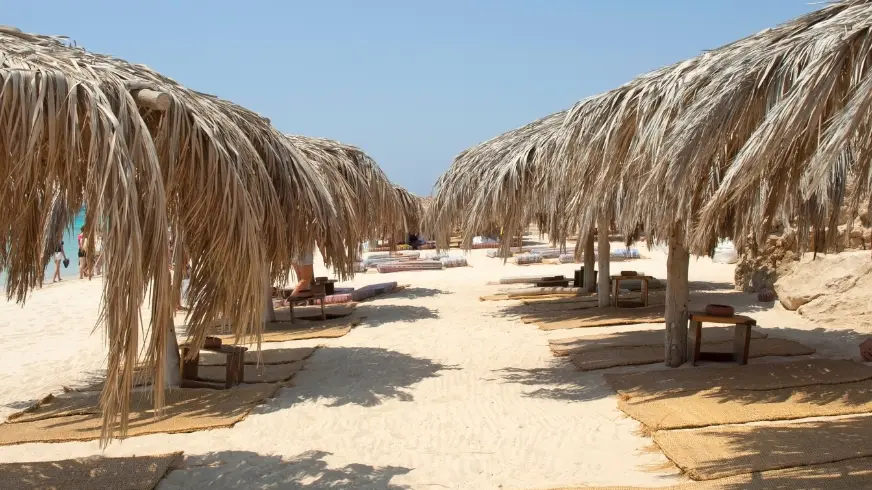
Essential Travel Tips for Visiting Hurghada, Egypt
Introduction
Hurghada, nestled on the pristine shores of the Red Sea, is one of Egypt’s most popular coastal destinations. Known for its vibrant coral reefs, golden beaches, and year-round sunshine, Hurghada offers travellers everything from luxury resorts to adrenaline-pumping desert adventures. But like any destination, knowing a few insider tips can make your experience smoother, safer, and more enjoyable.
Whether you’re planning your first trip or returning to soak in more of the Red Sea magic, these essential travel tips will help you get the most out of your time in Hurghada.
Table: Quick Hurghada Travel Essentials
| Tip | Details |
|---|---|
| Best Time to Visit | March–May & September–November (pleasant weather & fewer crowds) |
| Currency | Egyptian Pound (EGP); Cash is king for small purchases |
| Language | Arabic (English widely spoken in tourist areas) |
| Visa | Most nationalities require a tourist visa (available online or on arrival) |
| Power Sockets | Type C & F (European plugs); 220V supply |
1. Choose the Right Season to Visit
Hurghada is a year-round destination, but the best time to visit is during spring (March to May) and autumn (September to November). These months offer pleasant temperatures, ideal for excursions, diving, and desert safaris without the intense summer heat or winter winds.
👉 Avoid: July and August if you’re sensitive to heat, as daytime temperatures can exceed 40°C.
2. Visas & Entry Requirements
Most travellers can obtain a 30-day tourist visa either on arrival at Hurghada International Airport or online through the Egypt e-Visa Portal. The cost is typically $25 USD for a single entry.
Tip: Apply online at least a week before departure to save time at the airport.
3. Currency & Payments
Egypt’s official currency is the Egyptian Pound (EGP). While major hotels, some restaurants, and excursion operators accept cards, cash is essential for taxis, tips, and small shops.
-
ATMs are widely available, especially near hotels and on El Mamsha.
-
Exchange money at banks or licensed exchange offices—avoid changing large sums at the airport.
4. Health & Safety
Hurghada is generally safe for tourists, but here are a few basic precautions:
-
Stay hydrated: Especially in summer months.
-
Use sunscreen: The sun is strong even in winter.
-
Avoid tap water: Stick to bottled water for drinking and brushing teeth.
-
Medical Care: Hurghada has several private clinics and pharmacies.
5. Dress Code & Cultural Etiquette
While Hurghada is more relaxed than cities like Cairo or Luxor, it’s respectful to dress modestly when outside the resort areas:
-
At the beach or pool: Swimwear is fine.
-
In town or excursions: Lightweight, loose-fitting clothing that covers shoulders and knees is recommended.
-
Tipping (Baksheesh): Common in Egypt. Tip service staff, guides, and drivers—20–200+ EGP is appreciated.
6. Getting Around Hurghada
There are several options for getting around:
-
Taxis: Widely available but rarely use meters. Always agree on the fare before the ride.
-
Uber/Careem: Not available in Hurghada.
-
Private Transfers: Best for airport pickups or day trips.
-
Mini-buses: Cheap but not ideal unless you speak Arabic.
Tip: Arrange transfers through your hotel or excursion provider to avoid haggling.
7. Staying Connected
-
SIM Cards: Available at the airport or local shops (Vodafone, Orange, Etisalat).
-
Wi-Fi: Found in most hotels and restaurants but may be slow. A local SIM with data is often more reliable.
8. Excursions & Activities
Don’t leave Hurghada without trying:
-
Snorkelling/Diving in Giftun Island or Abu Ramada
-
Desert Safari with quad biking and Bedouin dinner
-
Day trips to Luxor or Cairo
-
Submarine or glass-bottom boat tours for non-swimmers
Book in advance and check reviews for excursion providers. Avoid random street sellers.
9. Pack Smart for the Red Sea
Here’s what to bring for a comfortable Hurghada trip:
-
Swimwear & water shoes
-
Sun protection: Hat, sunscreen, sunglasses
-
Light layers for evenings and desert trips
-
Reusable water bottle
-
Basic meds: Antihistamines, rehydration salts, travel sickness tablets
10. Understand Local Customs
-
Greetings: A smile and “Salam Alaikum” go a long way.
-
Public displays of affection: Best kept private.
-
Haggling: Common in markets. Be polite and firm.
-
Friday is a holy day: Expect slower pace and some businesses closed until afternoon.
Hurghada was beyond beautiful! Knowing how to deal with taxis and when to visit made all the difference. Our desert safari was the highlight. Definitely bring more cash than you think you’ll need!”
James W., From UK
FAQs
Yes, Hurghada is considered safe for tourists. Stick to reputable hotels and excursions, and avoid walking alone late at night outside main areas.
At resorts, swimwear is fine. Outside, light, modest clothing is recommended. A scarf may be useful for visiting mosques or conservative areas.
Some places accept euros or dollars, but it's best to pay in Egyptian Pounds for better rates.
Yes. Many restaurants cater to dietary needs, especially in tourist areas. Look for international or health-focused eateries.
It’s best to book excursions ahead of time with trusted providers, especially during high season. This ensures availability and avoids scams.
Conclusion:
Hurghada is a stunning destination that blends the beauty of the Red Sea with easy access to ancient wonders, desert adventures, and world-class resorts. A little preparation goes a long way in helping you relax, stay safe, and fully enjoy everything this Egyptian gem has to offer.
Ready to explore Hurghada like a pro?
Check out our latest Excursion Guides, Desert Adventures, and Hotel Recommendations right here on Excursions in Hurghada.
👉 Start planning your perfect Red Sea trip today!