
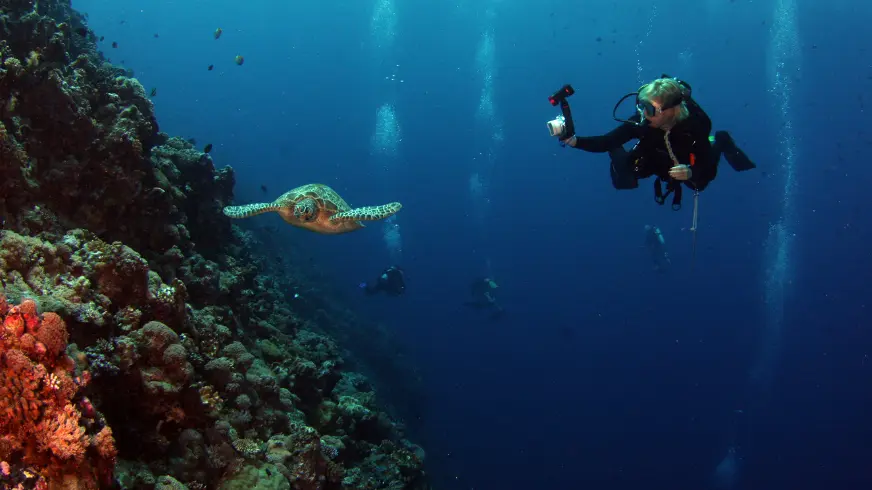
Diving in Hurghada: Discover the Red Sea’s Underwater Paradise
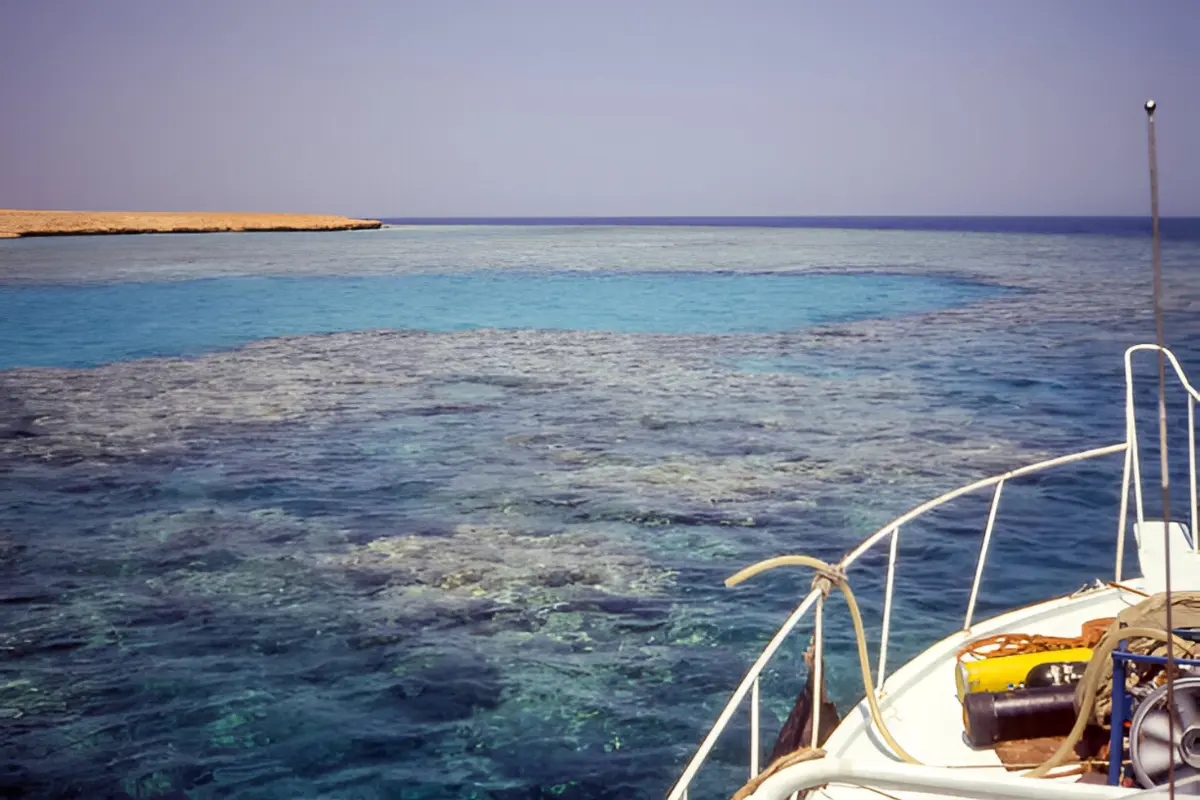
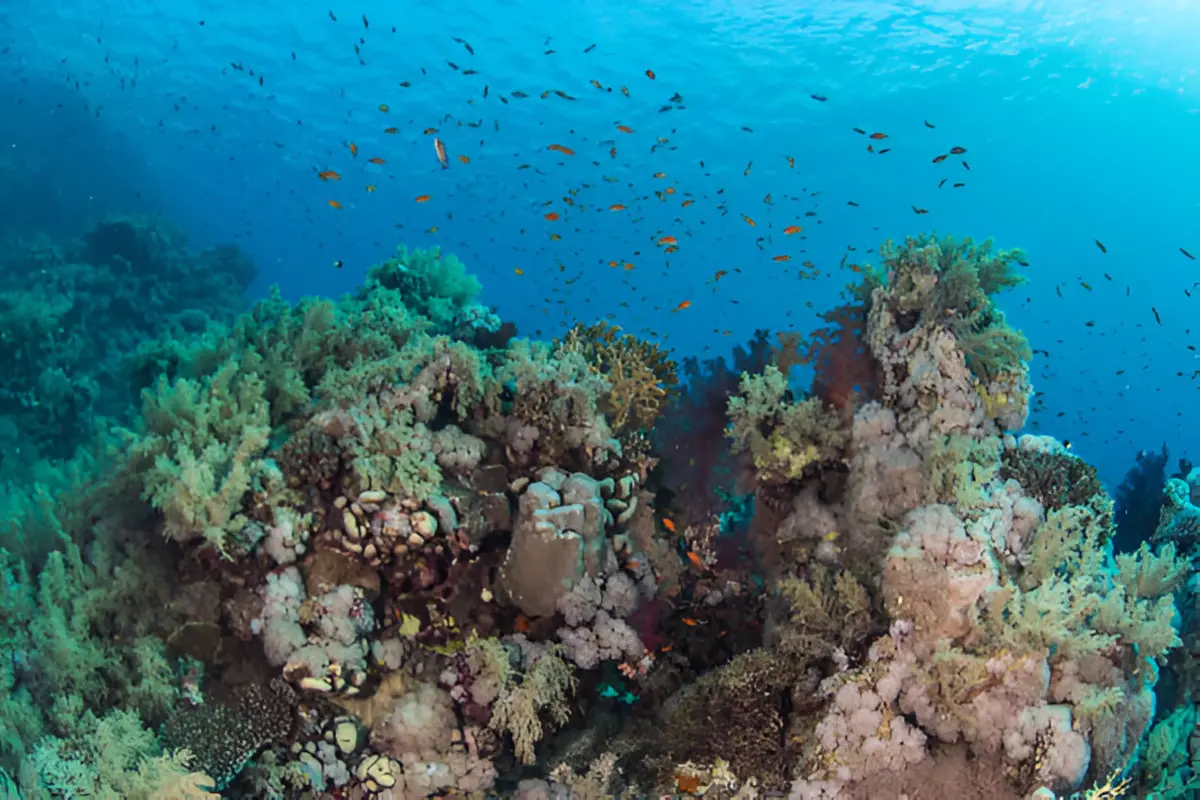
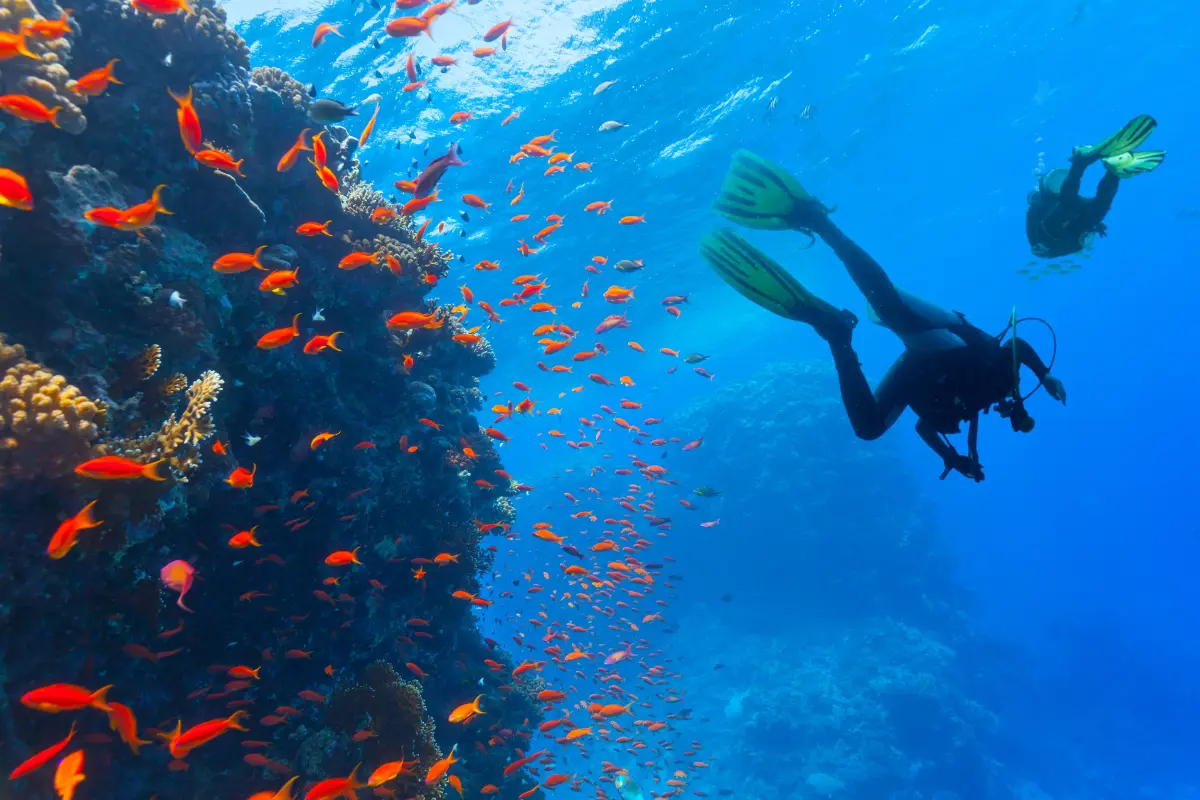
Introduction: Hurghada is more than just a beach destination — it’s one of the world’s premier scuba diving hubs. Located along Egypt’s Red Sea coast, Hurghada offers unrivalled access to some of the most vibrant coral reefs, fascinating wrecks, and diverse marine life on the planet.
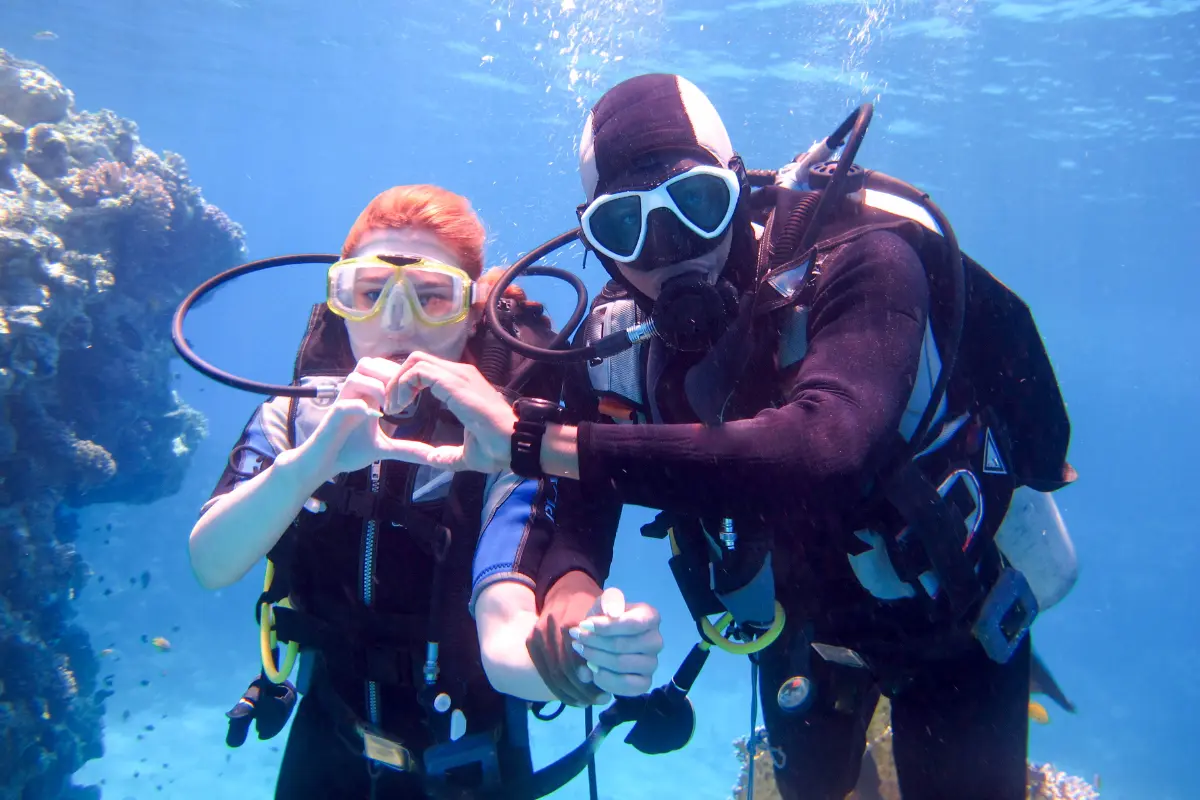
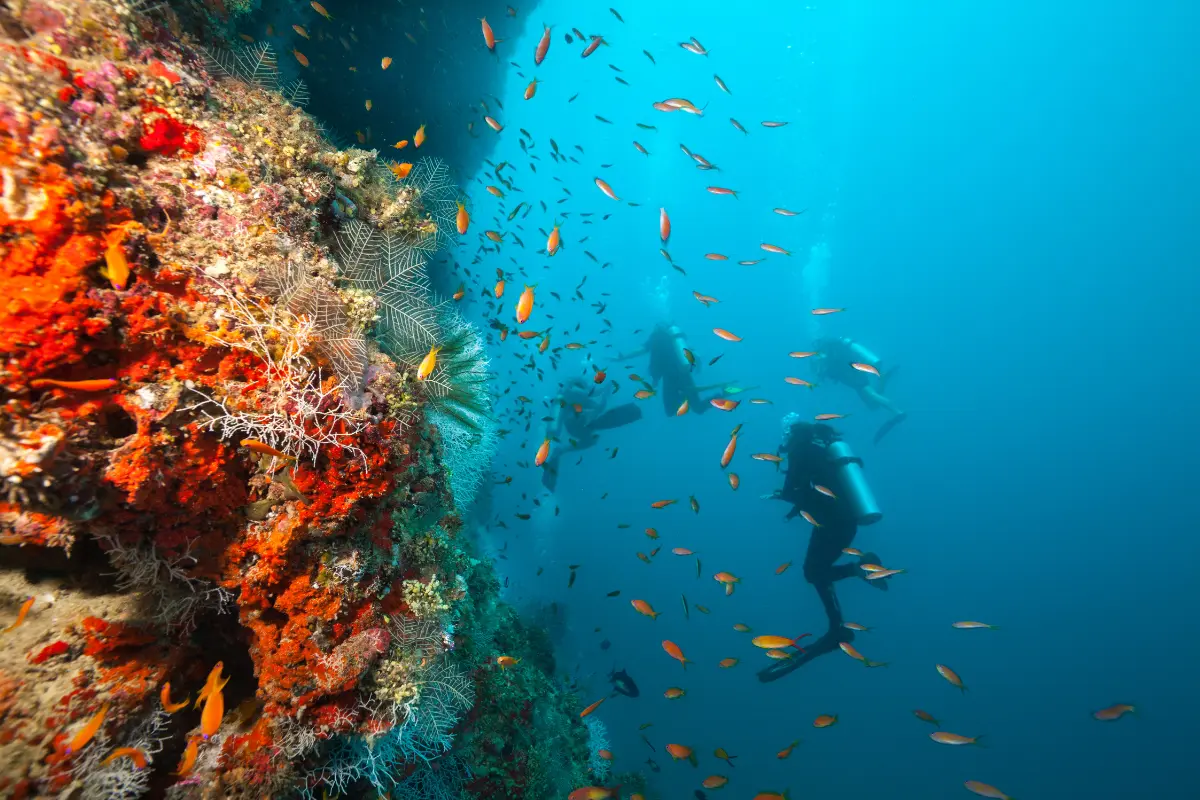
Whether you’re a first-time diver looking to complete your certification or an experienced enthusiast chasing wrecks and deeper reefs, Hurghada has something for everyone. With clear waters, excellent diving schools, and year-round good weather, it’s no wonder that divers from across the globe choose Hurghada as their underwater playground.
This guide takes you through the best dive sites, what to expect on a diving trip, and why Hurghada deserves its reputation as a scuba diver’s dream.
Why Dive in Hurghada?
-
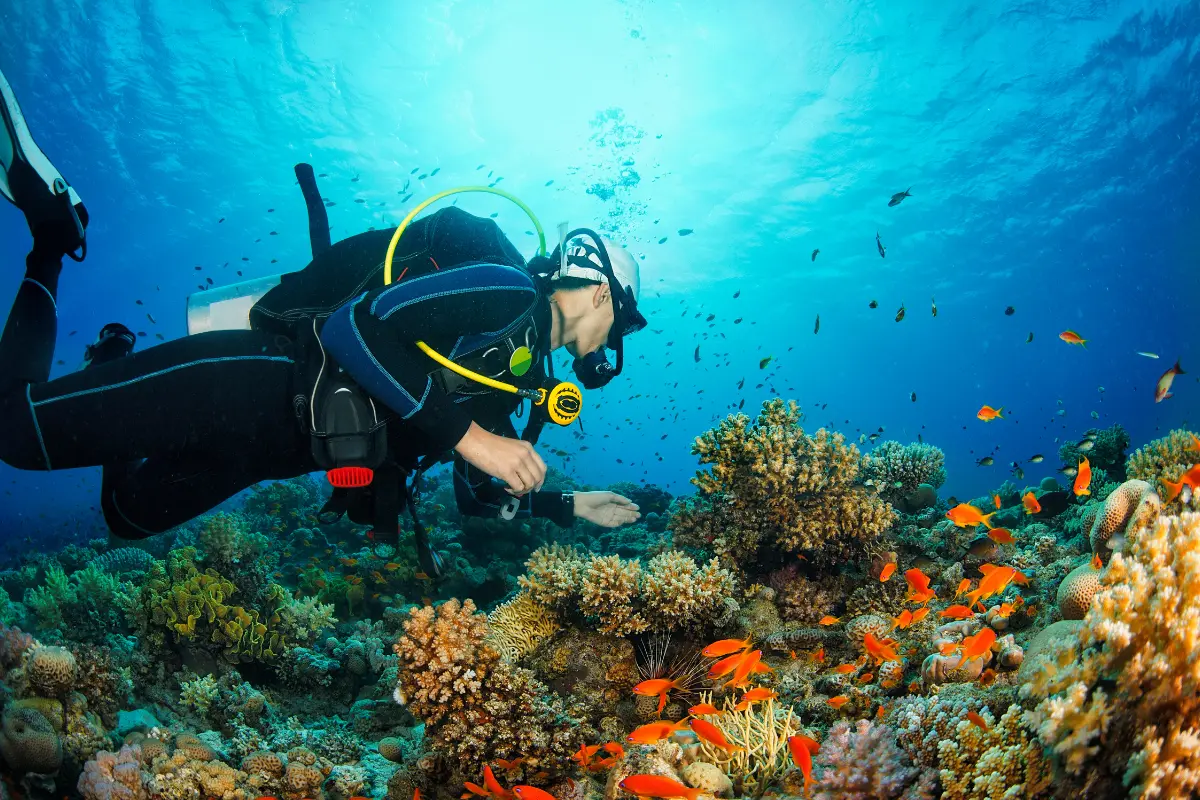
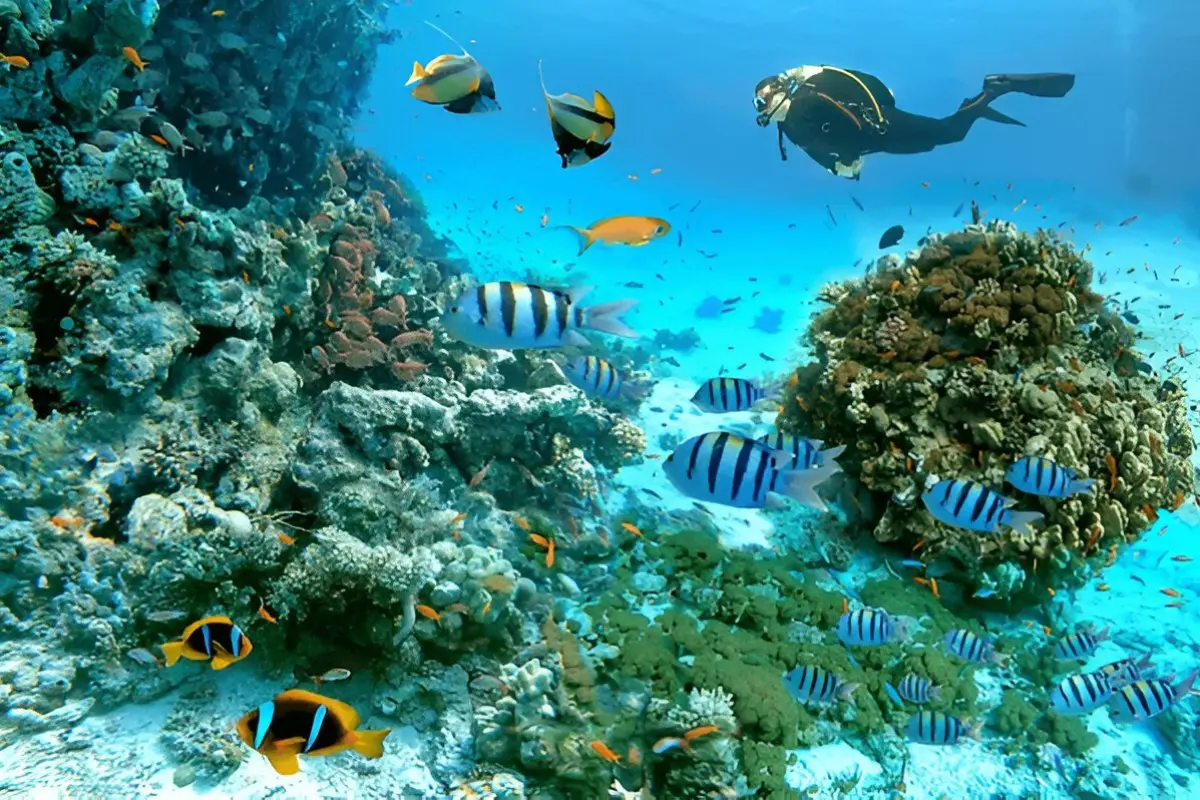
World-class reefs with colourful coral gardens and abundant tropical fish.
-
Historic shipwrecks that tell stories beneath the waves.
-
Ideal conditions with visibility often exceeding 20 metres.
-
Diving for all levels — from shallow reefs for beginners to technical dives for experts.
-
Affordability compared to other global diving destinations.
The Red Sea’s warm waters (22–29°C year-round) make diving comfortable in every season, and Hurghada’s location means short boat rides to world-famous sites.
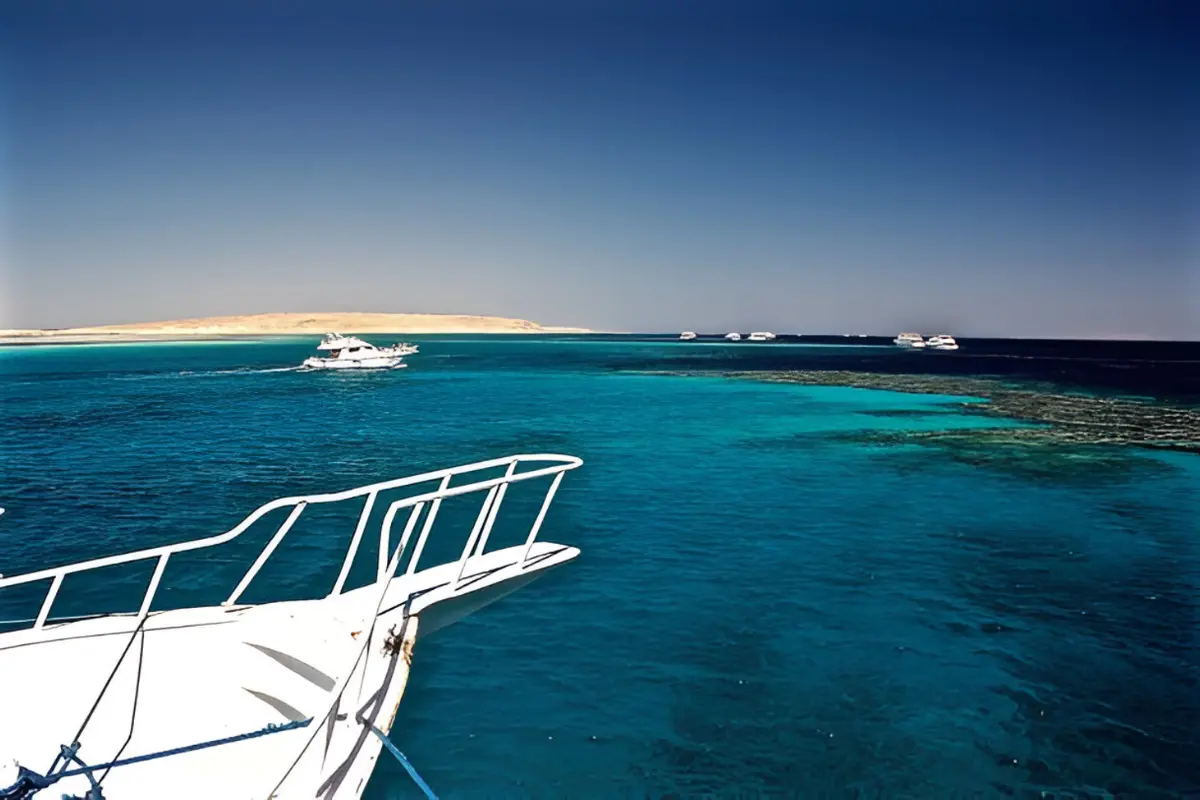
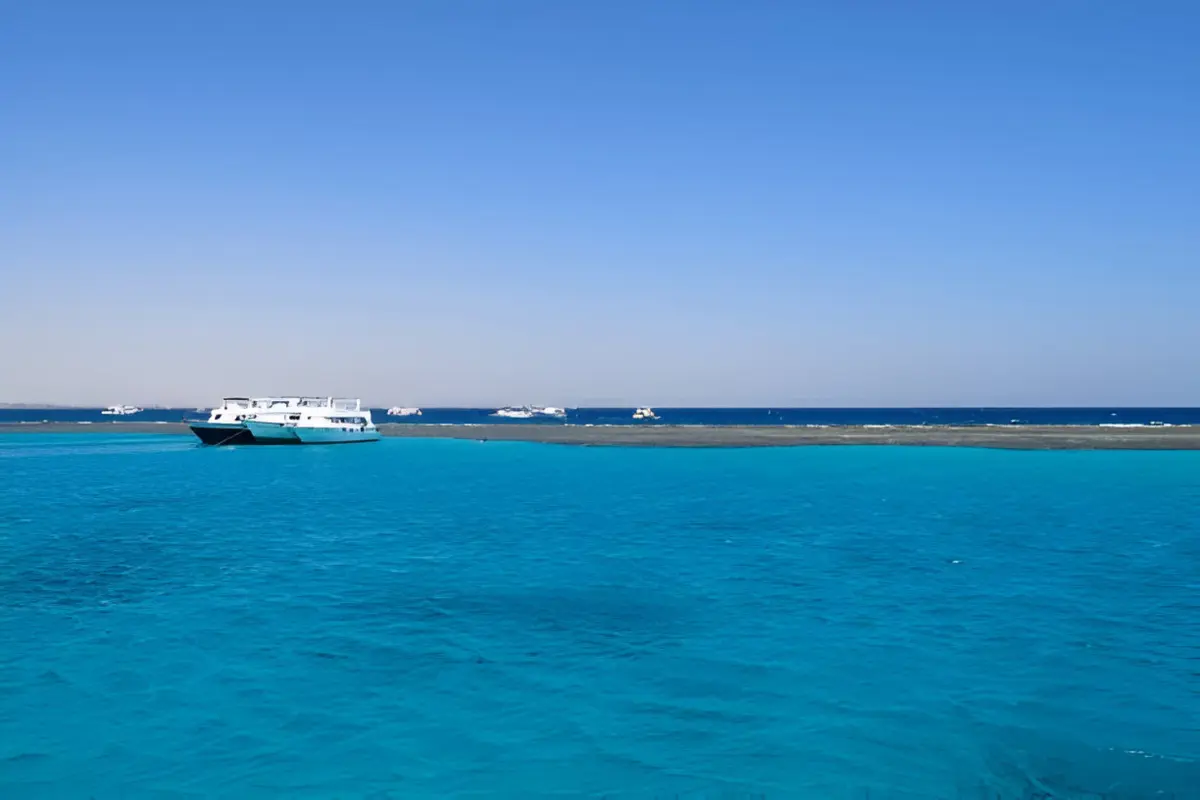
Best Dive Sites in Hurghada
| Dive Site | Highlights | Best For |
|---|---|---|
| Umm Gamar | Dramatic drop-offs, pinnacles, and caves filled with vibrant marine life. | Adventure seekers & advanced divers |
| Careless Reef | Famous twin coral towers, strong currents, and chances of spotting big fish. | Experienced divers |
| El Fanadir | Long reef wall with sandy slopes, excellent visibility, and schooling fish. | All levels, training dives |
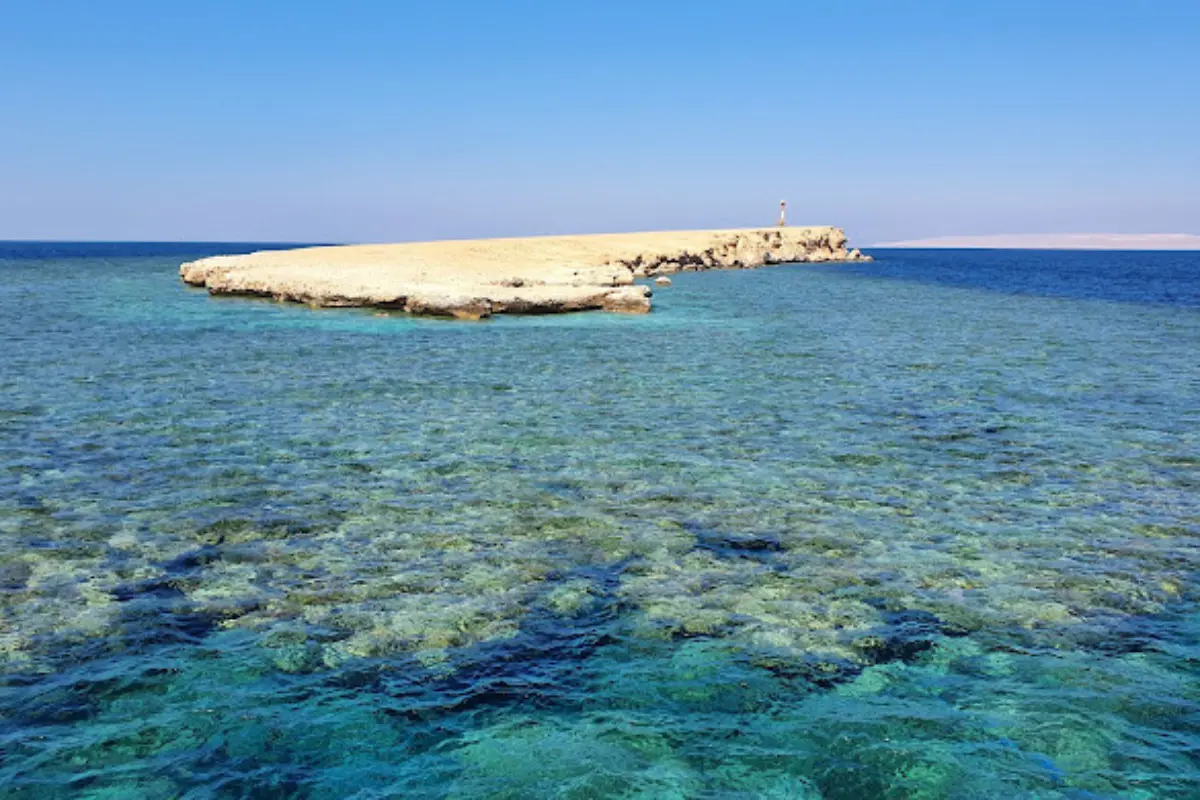
| Fanous East | Known for calm lagoons, colourful corals, and frequent dolphin encounters. | Families & dolphin lovers |
| Fanous West | Shallow reef plateaus with hard corals, turtles, and diverse reef fish. | Beginners & photographers |
| Shaab Sabina | Stunning coral formations, gentle currents, and crystal-clear lagoons. | Relaxed dives & coral lovers |
Diving Courses and Certifications
Hurghada is home to dozens of reputable dive centres offering training for all levels. Some popular options include:
-
Introductory dives (for complete beginners with no certification).
-
PADI Open Water Diver Course — the world’s most recognised certification.
-
Advanced courses for deeper and wreck diving.
-
Specialty courses like underwater photography, drift diving, and rescue diving.
Most courses can be completed in just a few days, making Hurghada the perfect place to learn or upgrade your skills while on holiday.
What to Expect on a Diving Excursion
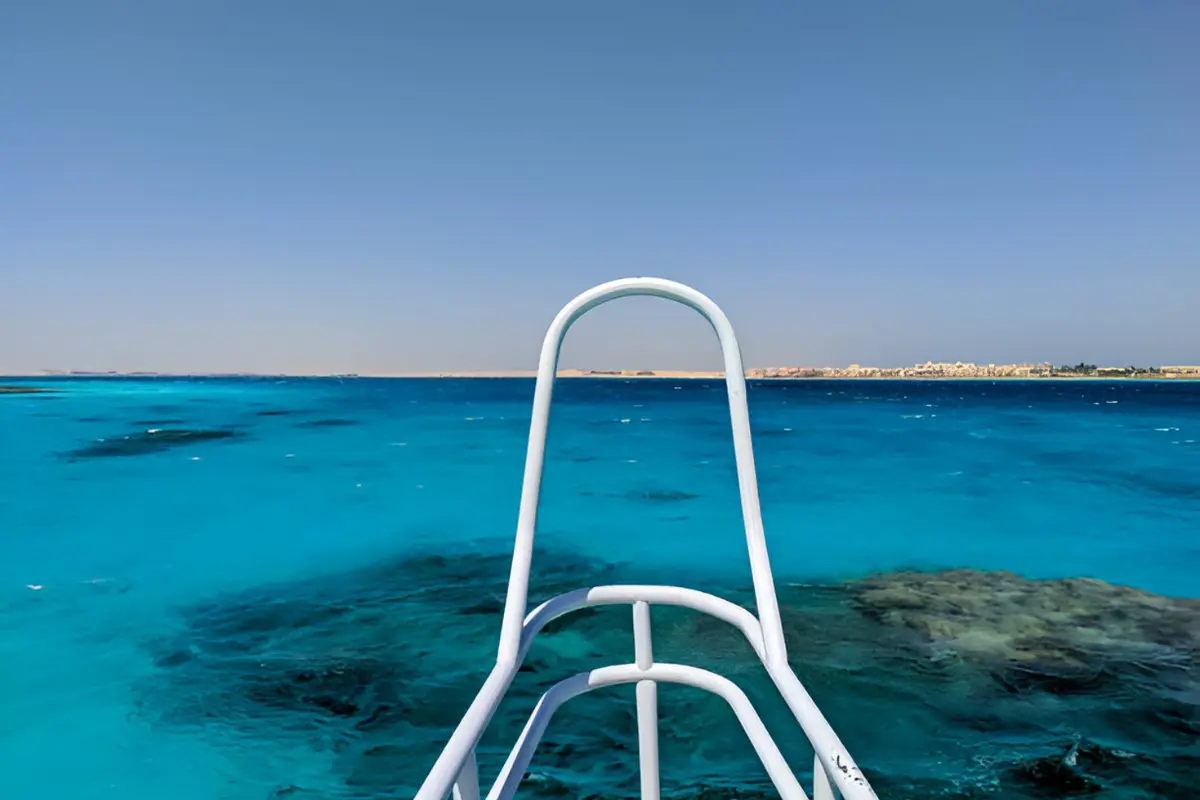
A typical diving trip starts at the marina in the morning, with boats equipped for comfort and safety. Here’s what a standard full-day dive includes:
-
Two to three dives at different sites.
-
All equipment (BCD, regulator, wetsuit, fins, mask, tanks, and weights).
-
Professional dive guides and instructors.
-
Briefings before each dive to explain conditions and marine life.
-
Lunch and drinks served on board.
Half-day and introductory trips are also available for those who want a shorter experience.
Marine Life to See While Diving in Hurghada
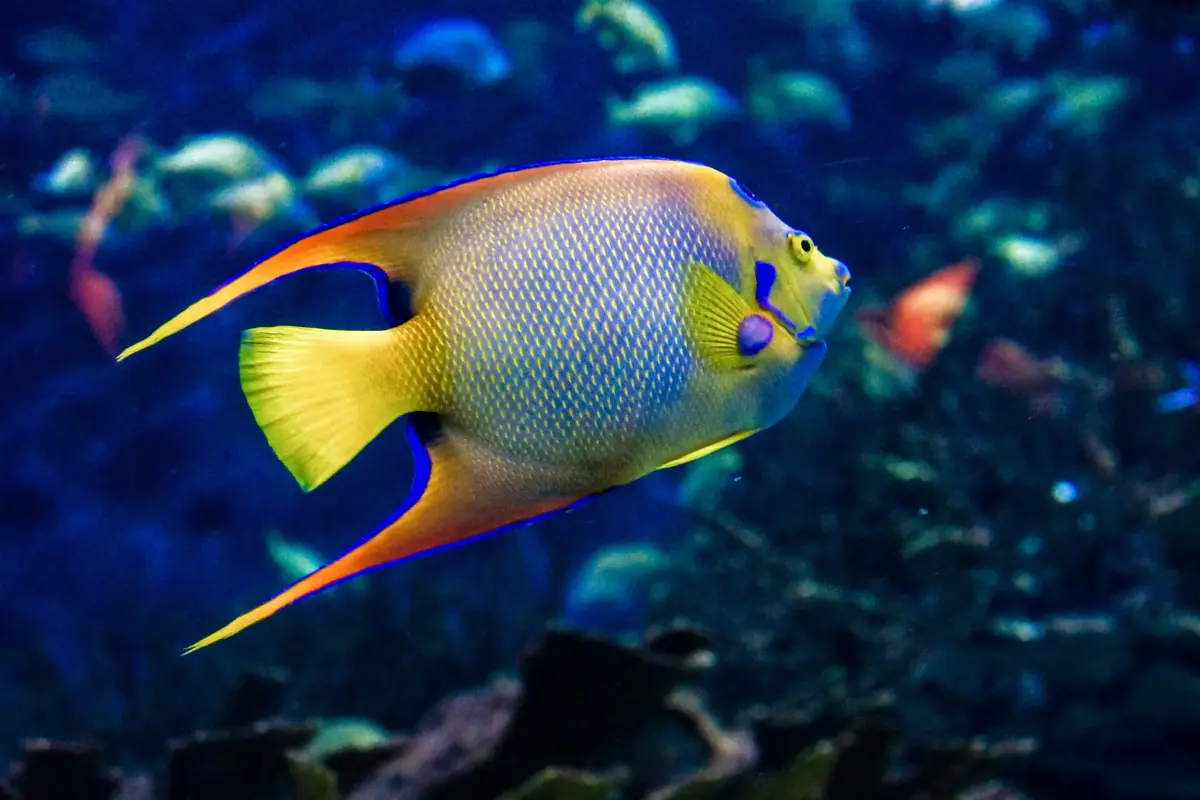
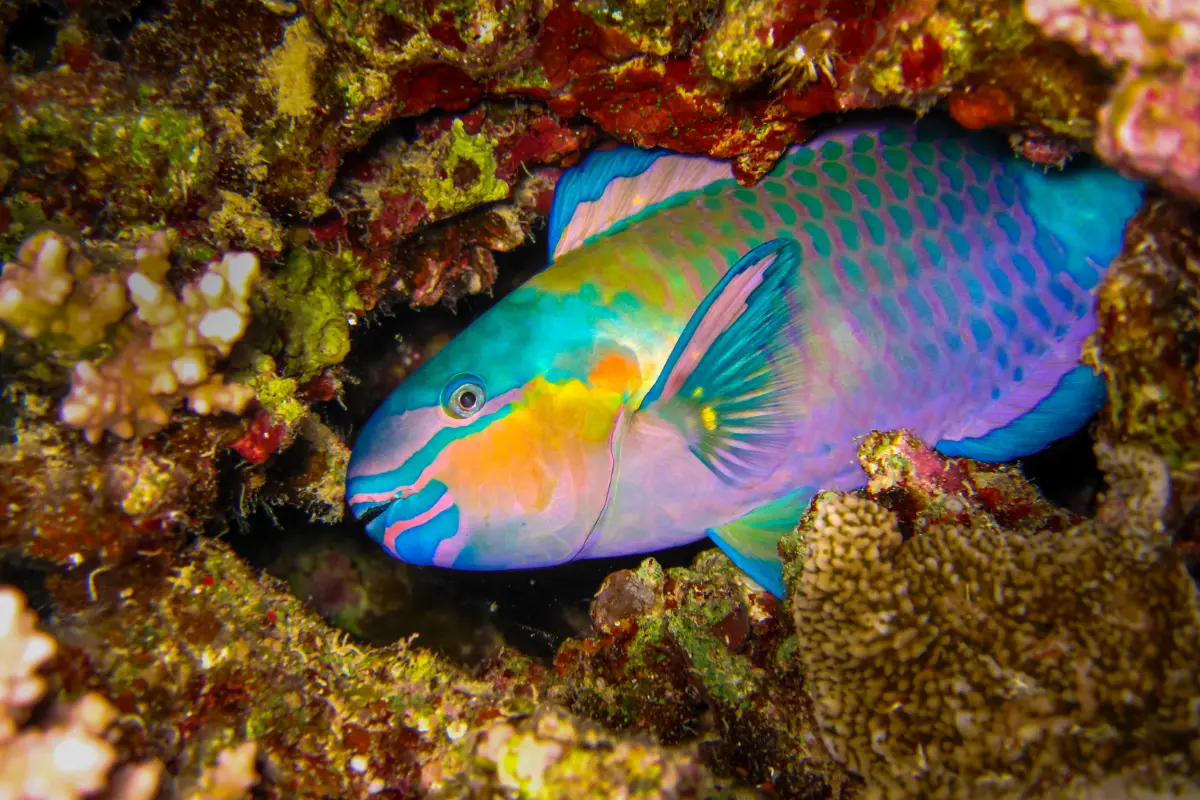
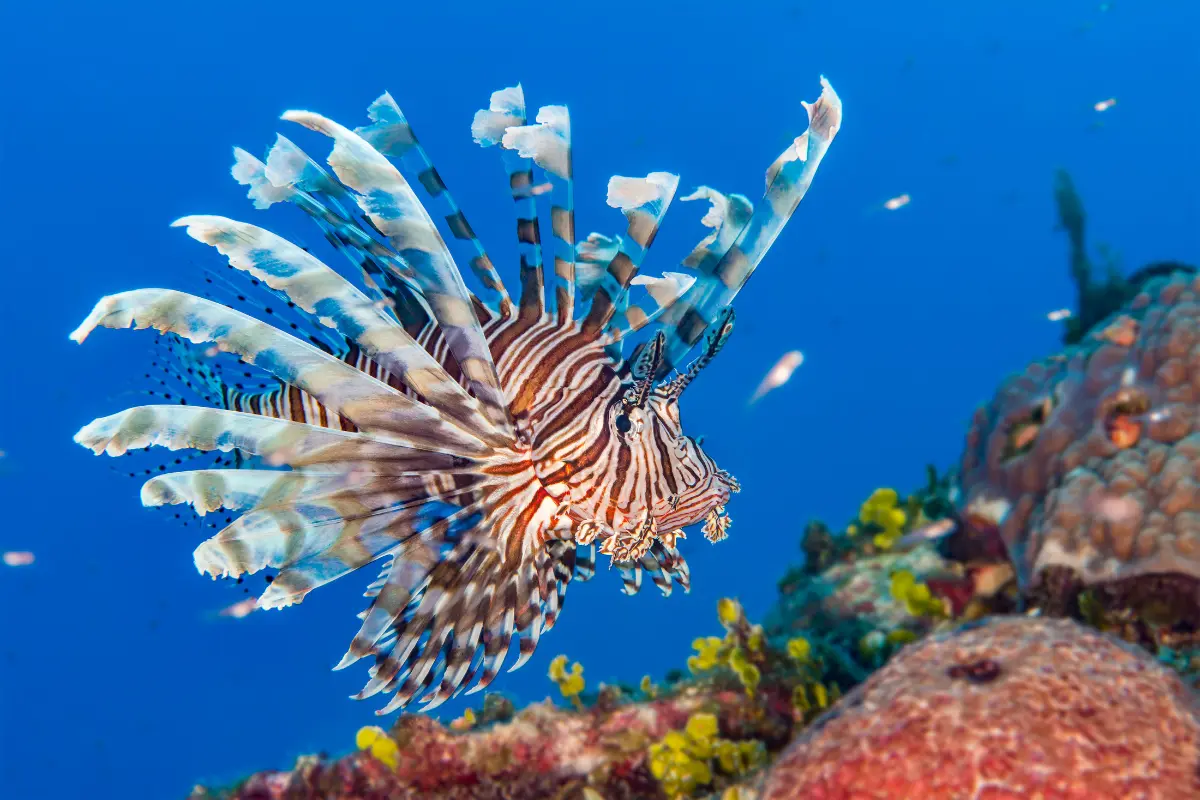
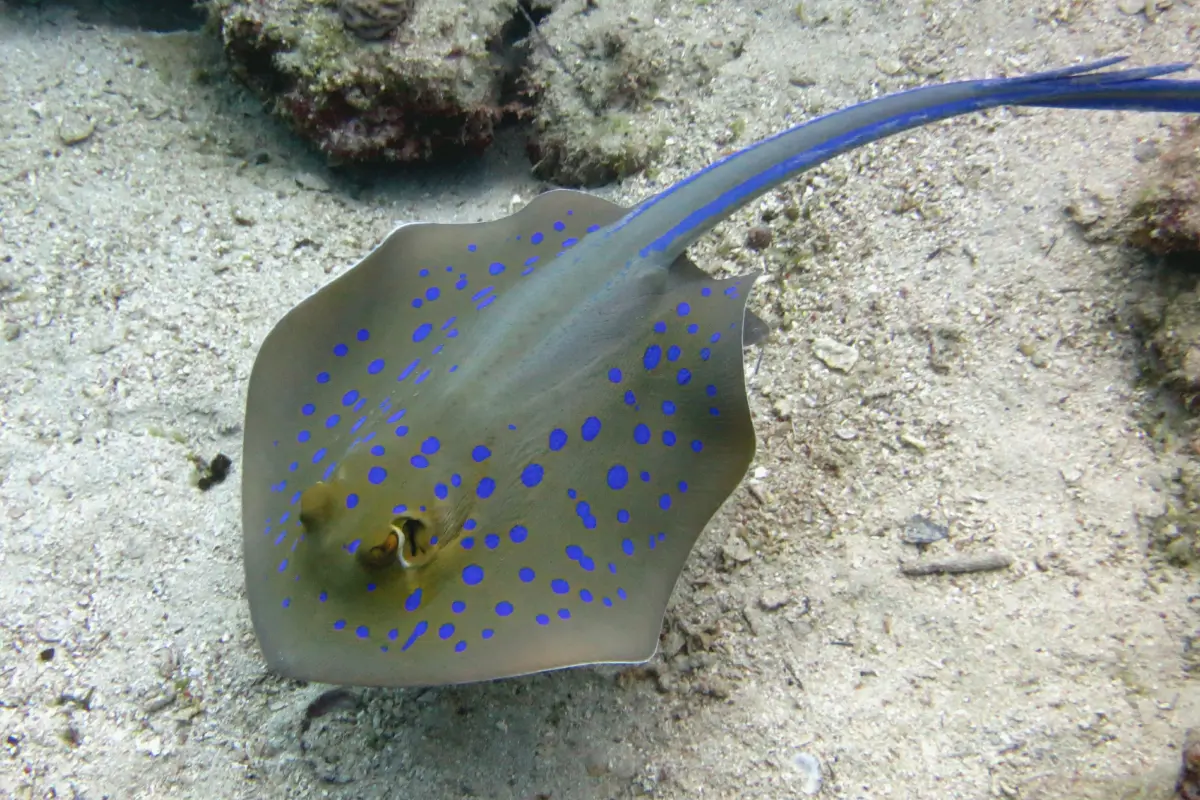
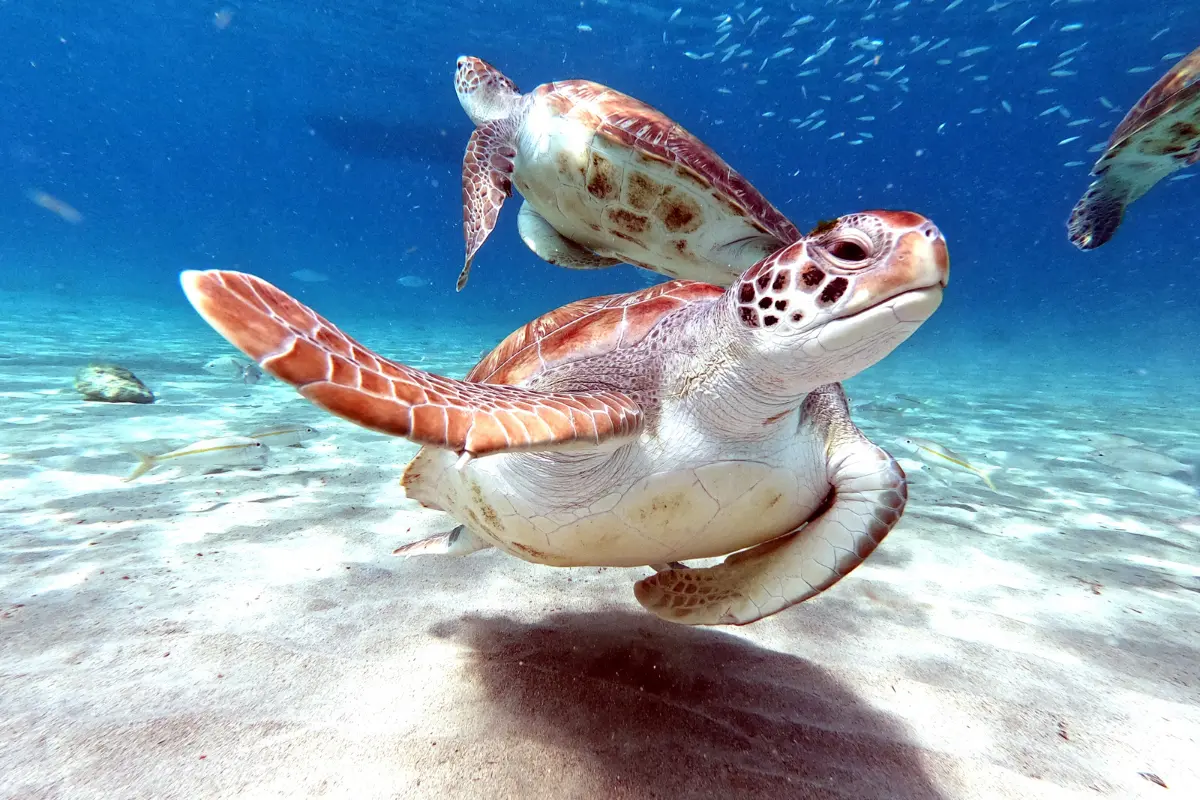
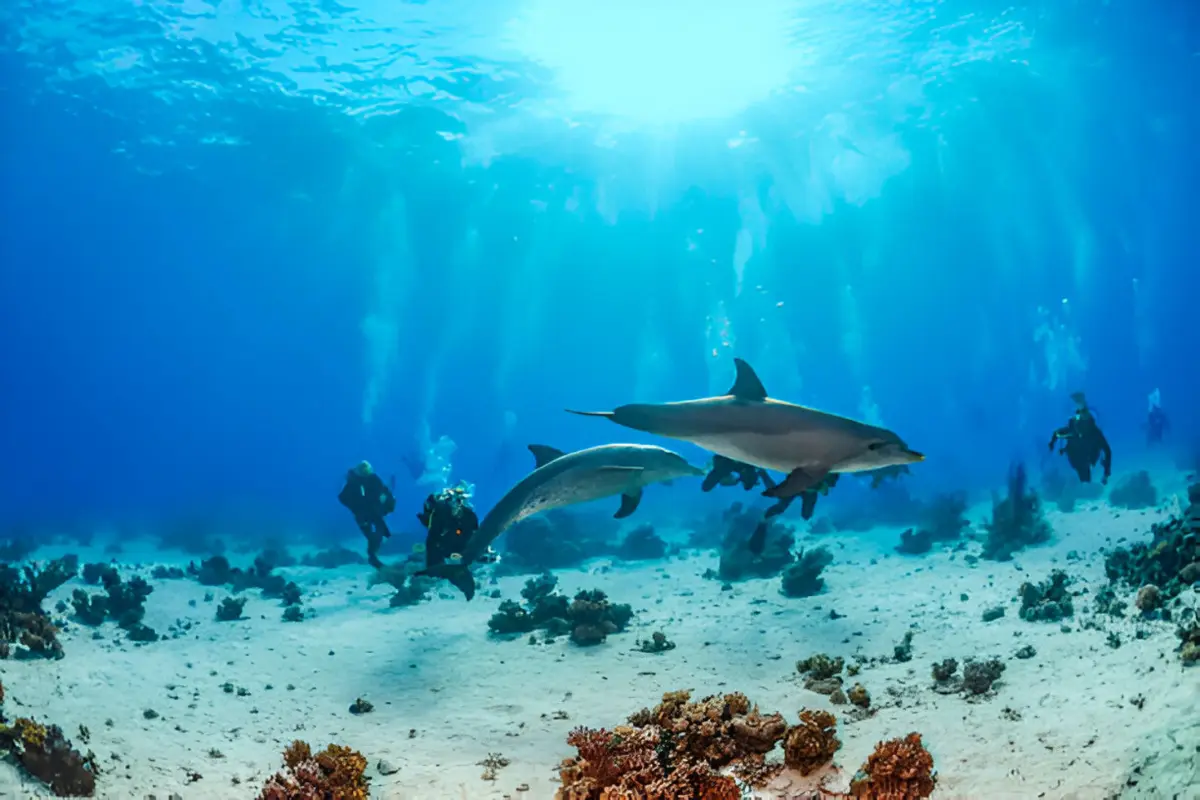
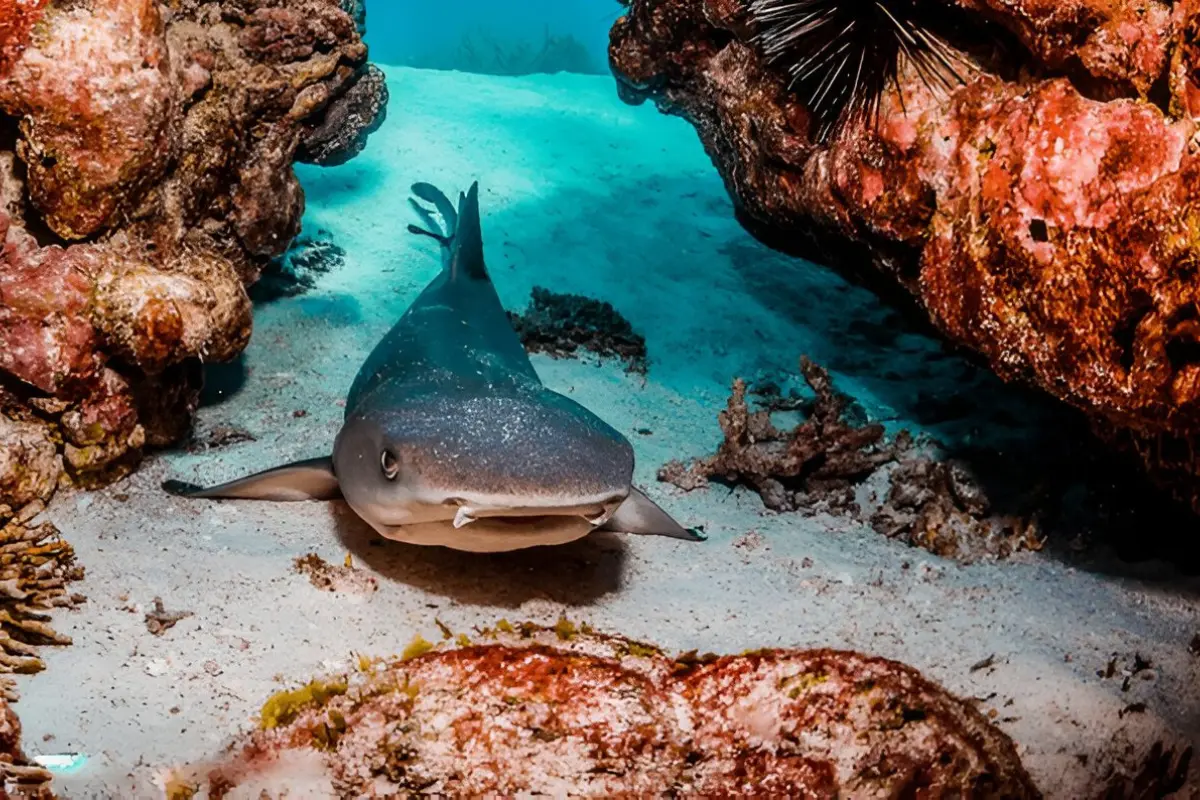
The Red Sea is a diver’s paradise thanks to its extraordinary biodiversity. While diving in Hurghada, you may encounter:
-
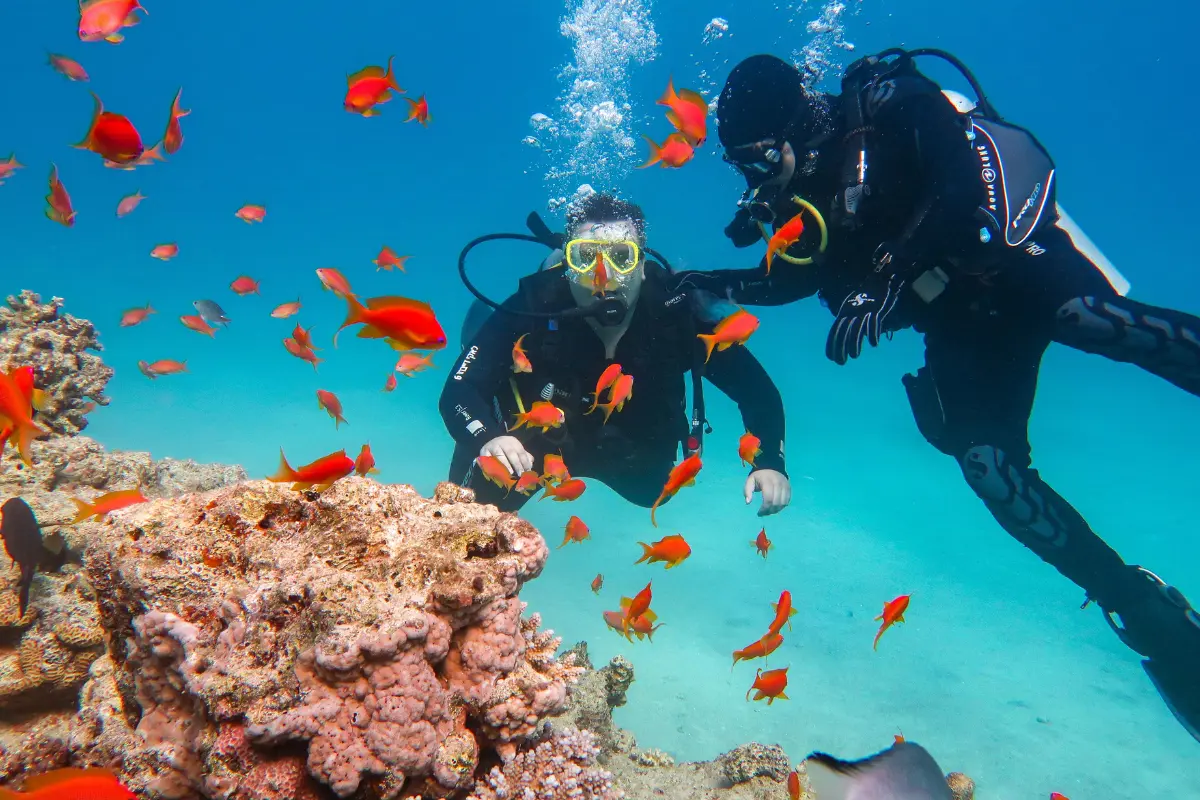
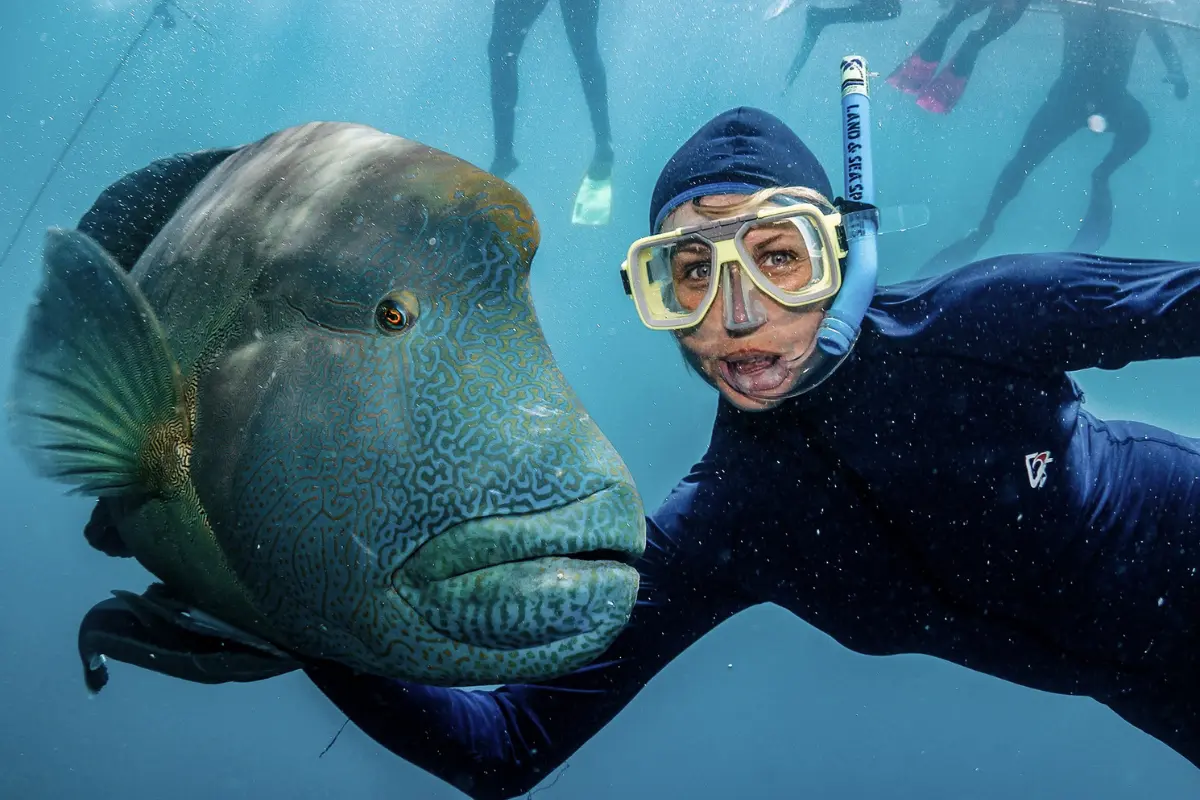
Bright schools of butterflyfish, angelfish, and wrasse
-
Camouflaged stonefish and scorpionfish
-
Graceful lionfish hovering near coral heads
-
Moray eels peeking from reef crevices
-
Gentle sea turtles grazing in seagrass beds
-
Playful dolphins around certain reefs
-
Even reef sharks at more remote sites like Careless Reef
With visibility often reaching up to 30 metres, every dive feels like swimming through a living aquarium.
Tips for Diving in Hurghada
-
Choose the right centre — look for certified PADI or SSI instructors.
-
Check your experience level — some dives require advanced certification.
-
Don’t touch the coral — protect the reef by practising good buoyancy control.
-
Stay hydrated — the Red Sea sun can be strong, even at sea.
What to bring
- Sunglasses
- Sun hat
- Swimwear
- Towel
- Cash
- Passport, copy accepted
- Bring an underwater camera
Hurghada’s dive sites are some of the most photogenic in the world.
Not suitable for
- Children under 12 years
- Pregnant women
- People with heart problems
- Wheelchair users
- People with respiratory issues
Best Time for Diving in Hurghada
Diving in Hurghada is possible year-round. However:
-
April to October: Warmest water and calm conditions, ideal for all divers.
-
November to March: Cooler but excellent visibility; fewer crowds.
Diving in Hurghada completely blew me away. The reefs were stunning, and I finally ticked off my dream of exploring a shipwreck at Abu Nuhas. The dive team were professional and made me feel safe at every moment. I’ll definitely return for more!”
David Morales, From Spain
❓ FAQs
Yes, many centres offer introductory dives and courses for beginners with no prior experience.
Prices vary, but full-day trips with two dives typically include equipment, lunch, and guides.
Not for introductory dives. For deeper or wreck dives, PADI or SSI certification is required.
Yes, reef sharks and different species can sometimes be seen at advanced sites and specially in the open sea, but encounters are rare and generally safe.
Snorkelling stays at the surface, while diving allows you to go deeper and explore reefs and wrecks up close.
🌅 Conclusion: Dive into a World of Wonder
Diving in Hurghada is more than just an activity, it’s a journey into a vibrant underwater world where history, adventure, and natural beauty collide. From colourful reefs and dramatic drop-offs to legendary wrecks, the Red Sea has it all. Whether you’re learning to dive or adding new sites to your logbook, Hurghada delivers an unforgettable scuba experience.
Your underwater adventure starts here 🐠
Book your diving adventure in Hurghada today and explore the Red Sea’s hidden treasures waiting beneath the surface.