
Philae Temple: The Timeless Beauty of Aswan’s Island Sanctuary
Introduction: A Sacred Jewel of the Nile
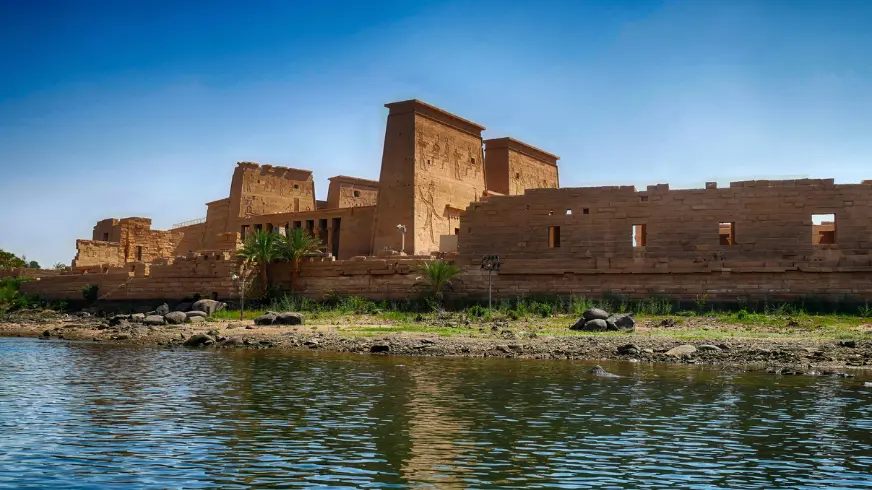
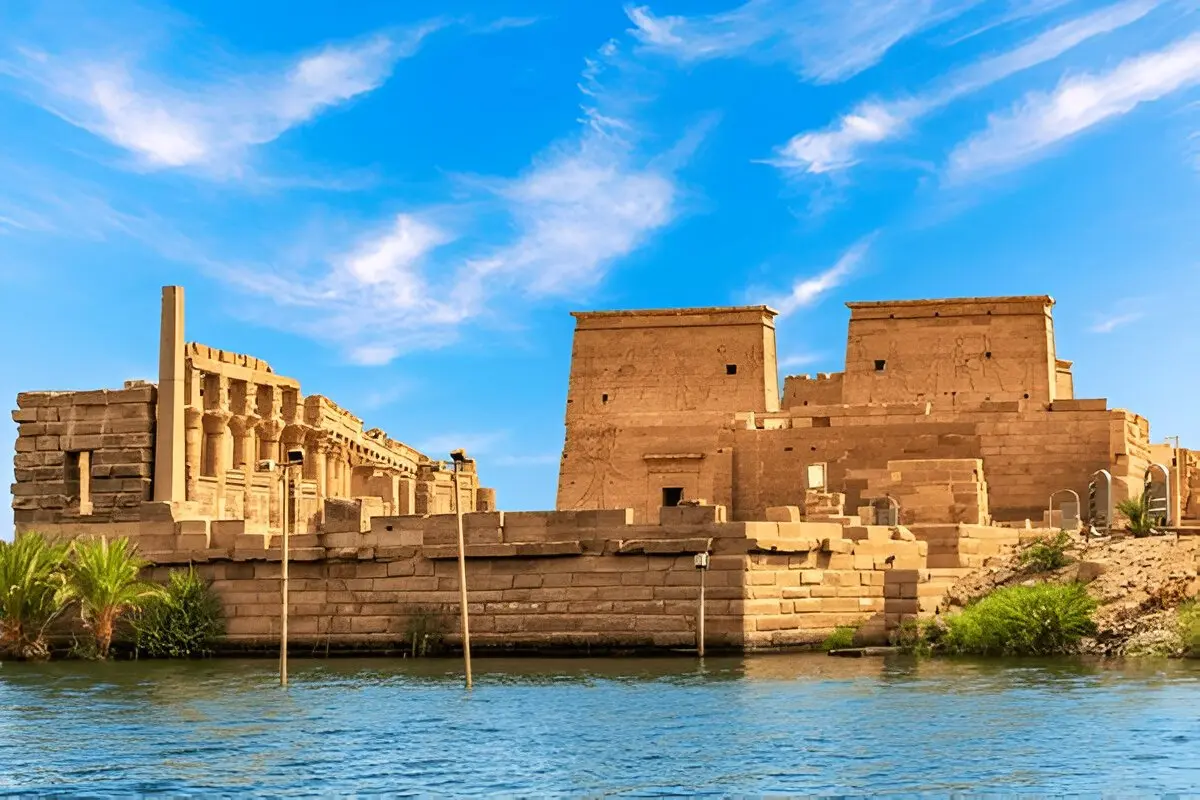
Nestled on the serene island of Agilkia in the Nile River, Philae Temple stands as one of Egypt’s most enchanting and historically rich monuments. Dedicated to the goddess Isis, the temple complex is a breathtaking showcase of Ptolemaic and Roman-era architecture, myth, and devotion. But Philae is more than just stone and columns—it’s a story of survival, rebirth, and eternal beauty.
Originally located on Philae Island, the temple was threatened by rising waters from the construction of the Aswan High Dam. In a heroic feat of international cooperation, it was dismantled and relocated to Agilkia Island in the 1960s, saving it from a watery grave and granting future generations a chance to experience its wonder.
In this guide, we’ll explore the legacy, layout, deities, and visitor experience of the Temple of Philae—offering history buffs, cultural travellers, and spiritual seekers alike a deeper understanding of this mystical site.
Highlights of Philae Temple (Table Overview)
| Feature | Details |
|---|---|
| Primary Deity | Isis – goddess of magic, healing, fertility |
| Original Location | Philae Island (now submerged) |
| Current Location | Agilkia Island, Aswan |
| Period Built | Ptolemaic (4th century BCE) to Roman era |
| UNESCO Status | Yes (as part of the Nubian Monuments) |
Who Was Isis? The Heart of Philae
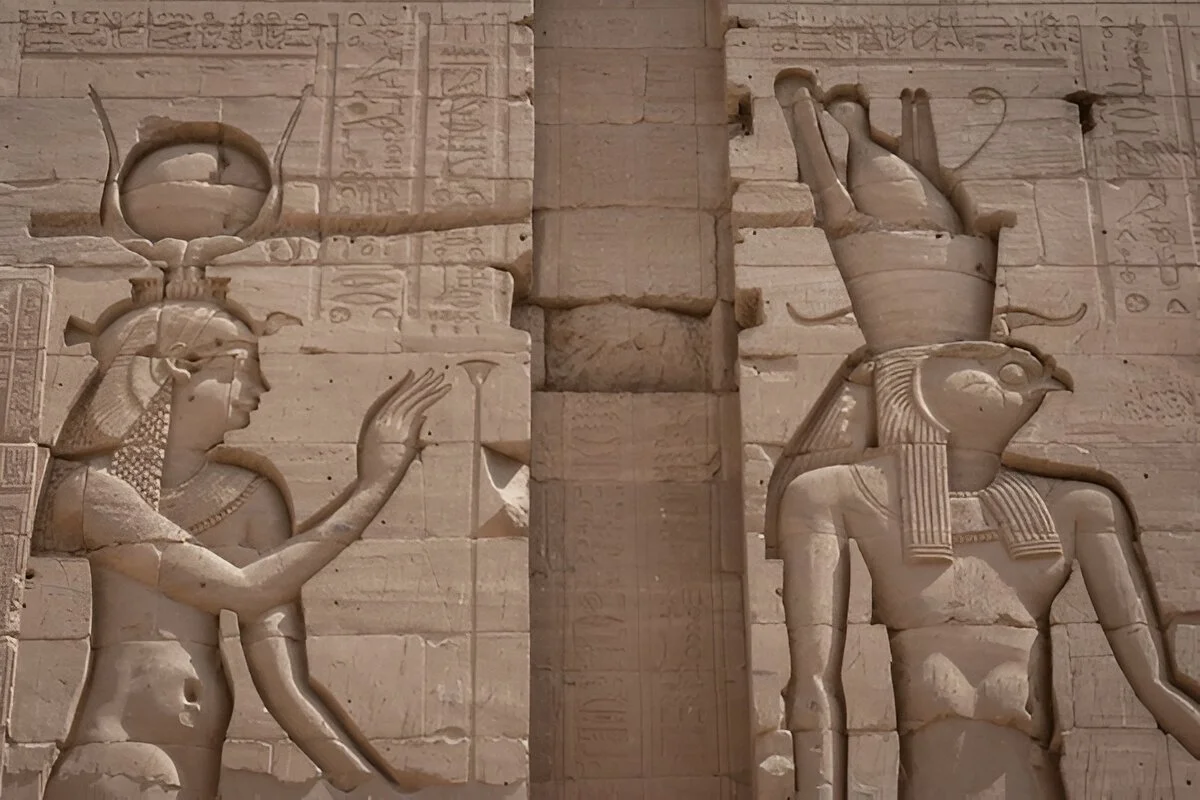
Isis was one of the most revered goddesses in ancient Egyptian religion. As the wife of Osiris and mother of Horus, she embodied healing, protection, fertility, and motherhood. Her cult grew so popular that it spread across the Mediterranean and Roman world.
Philae became the main sanctuary for her worship in southern Egypt. Pilgrims travelled from across the empire to make offerings and seek her divine guidance. Even after the rise of Christianity, Philae remained one of the last bastions of ancient Egyptian religion—making it a vital link in the long chain of Egyptian spirituality.
A Walk Through the Temple Complex
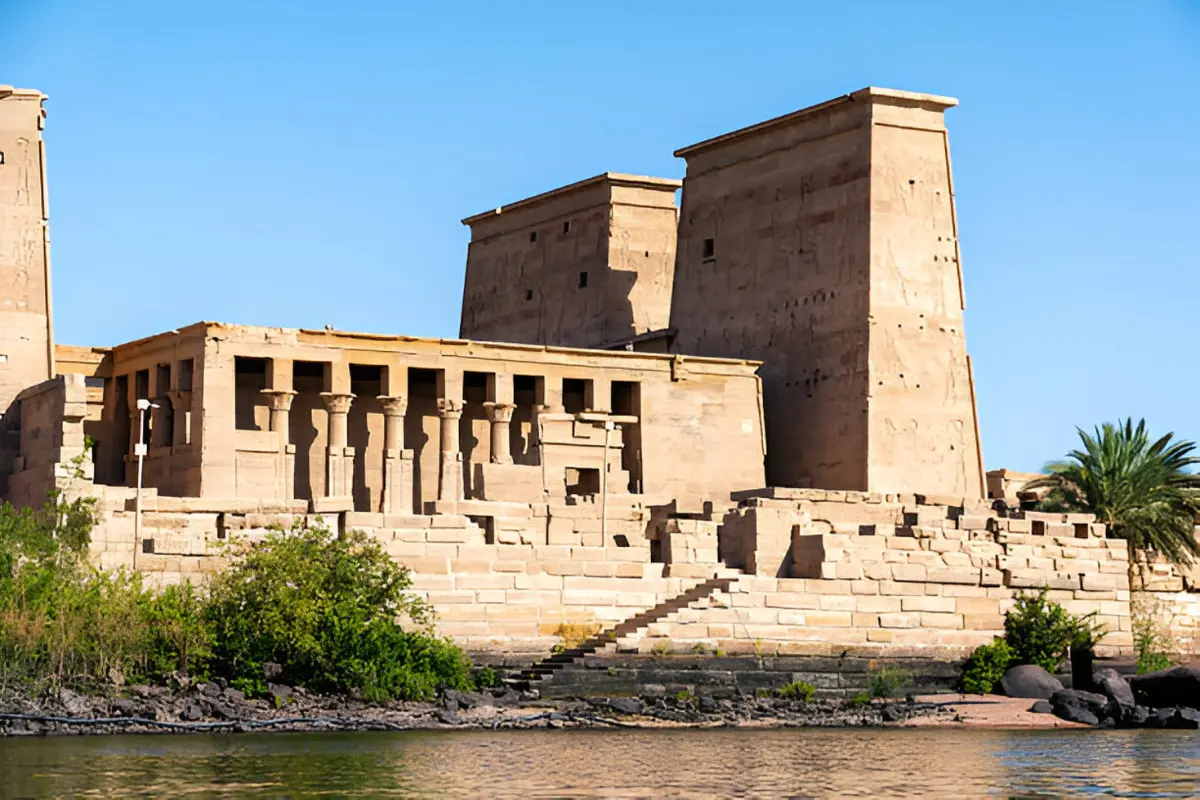
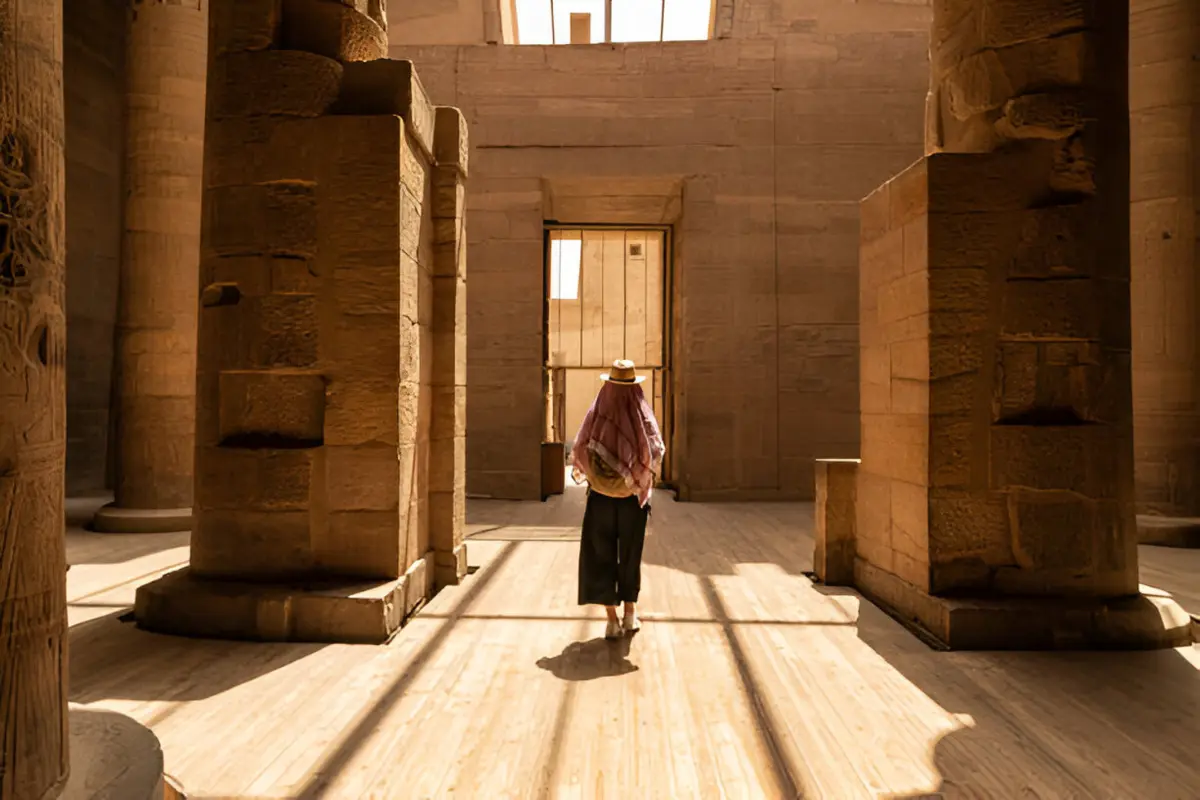
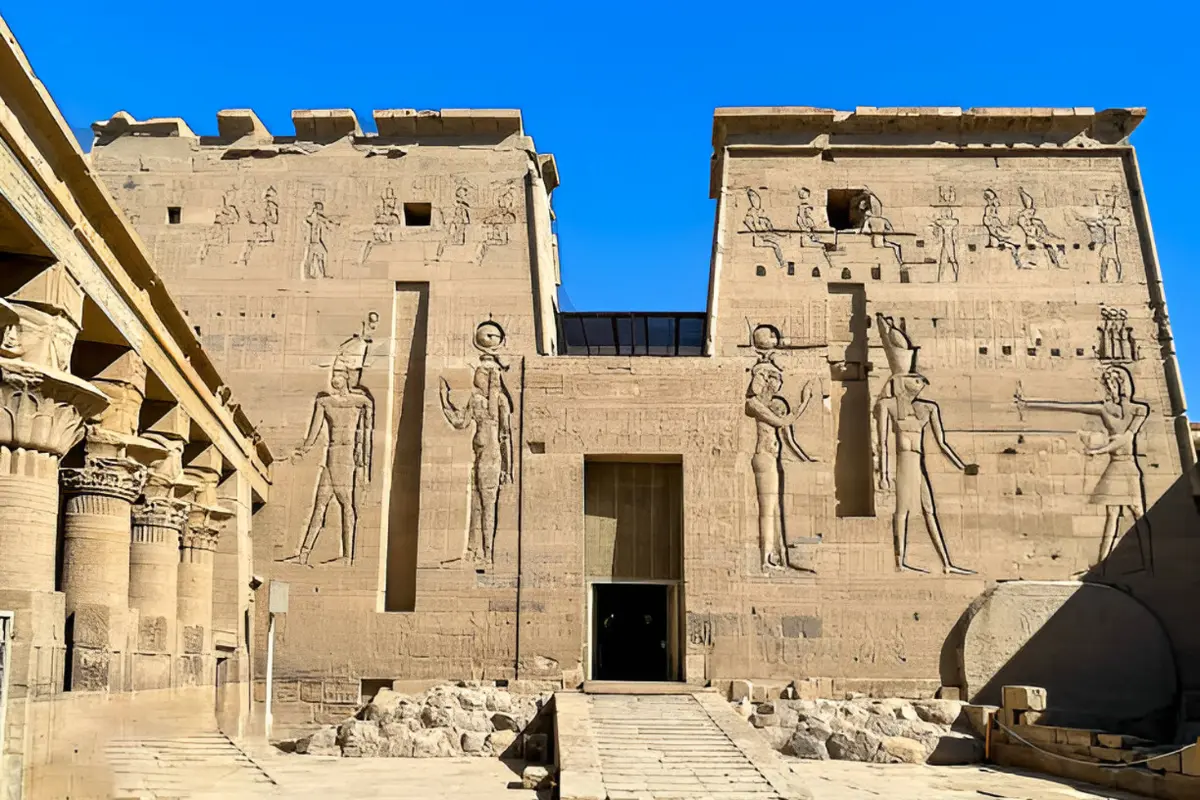
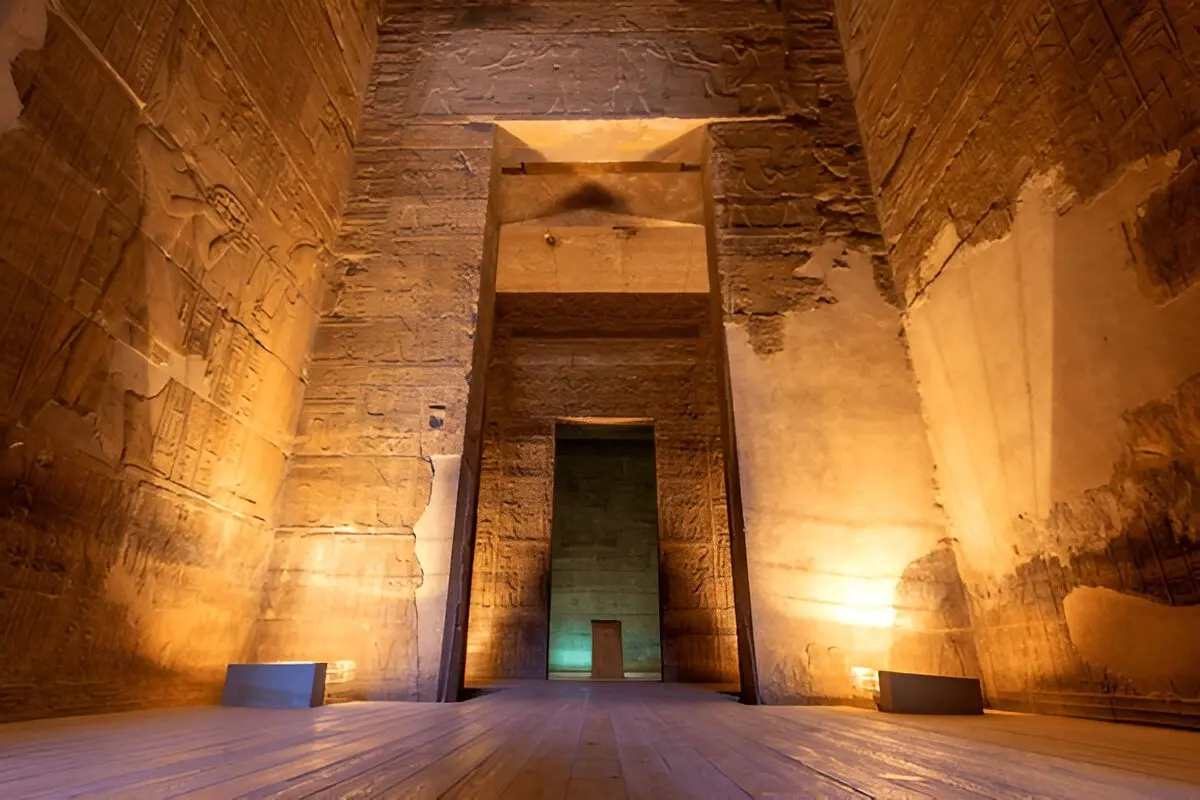
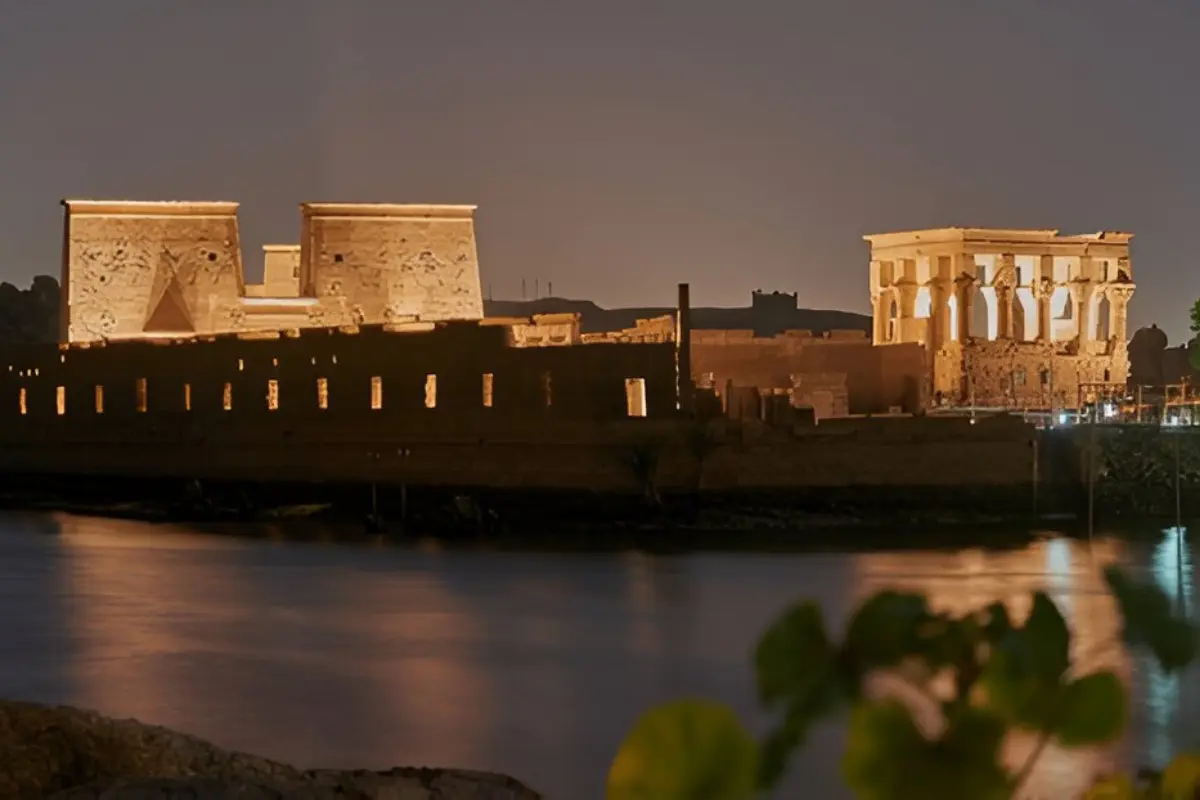
Upon arriving at Agilkia Island by boat, the first thing you see is the majestic First Pylon, towering at nearly 18 metres. Carved into its surface are vivid reliefs of Ptolemaic pharaohs making offerings to Isis and smiting enemies—a standard but visually powerful motif of divine kingship.
Main Sections of the Temple Complex:
-
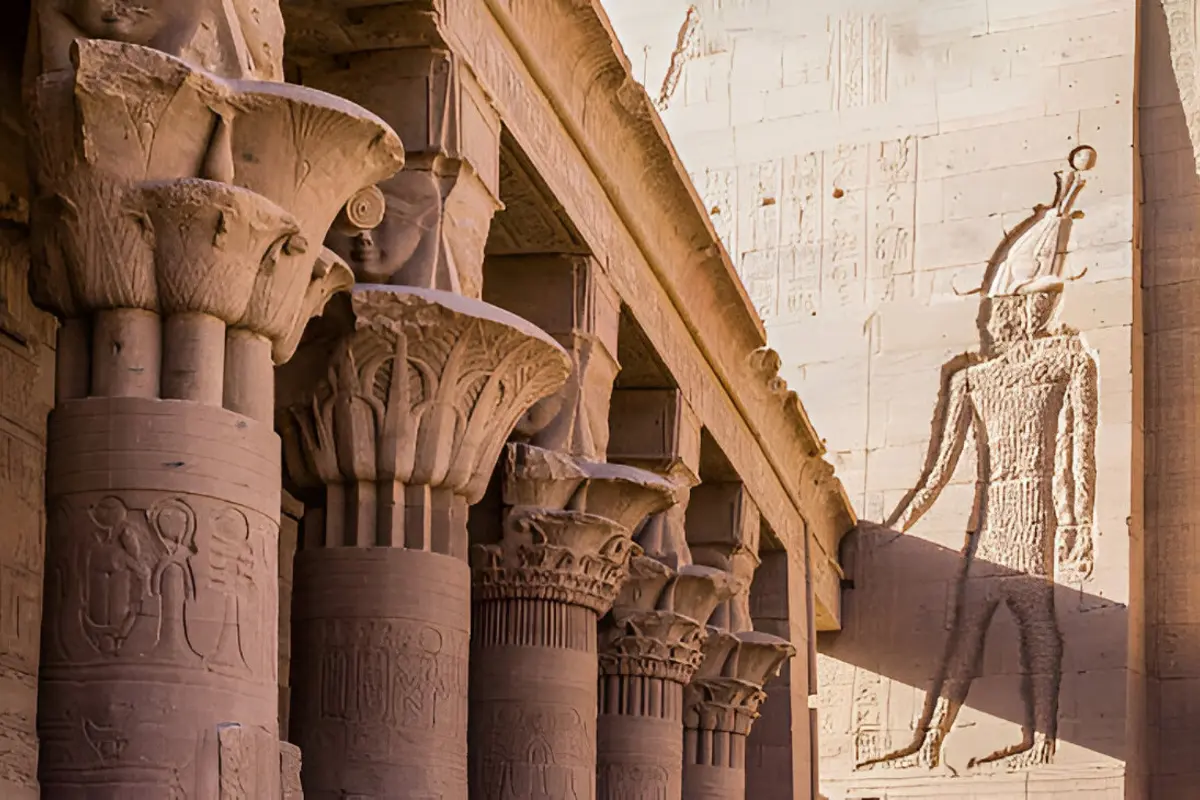
First Courtyard: Lined with elegant columns and scenes of the royal family and deities.
-
Birth House (Mammisi): Depicts the birth of Horus, son of Isis—symbolising rebirth and continuity.
-
Second Pylon: Leads to the sanctuary where the statue of Isis once stood.
-
Sanctuary of Isis: The holiest part of the temple, once holding the sacred barque of the goddess.
-
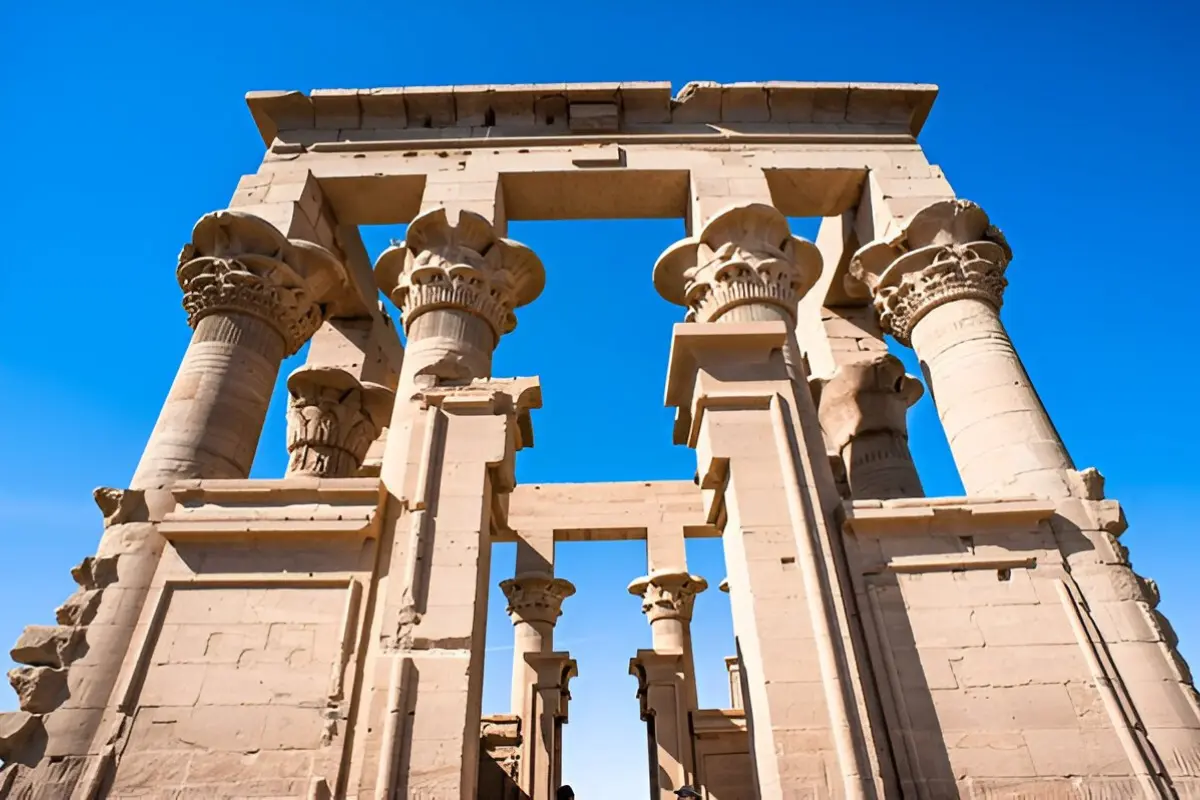
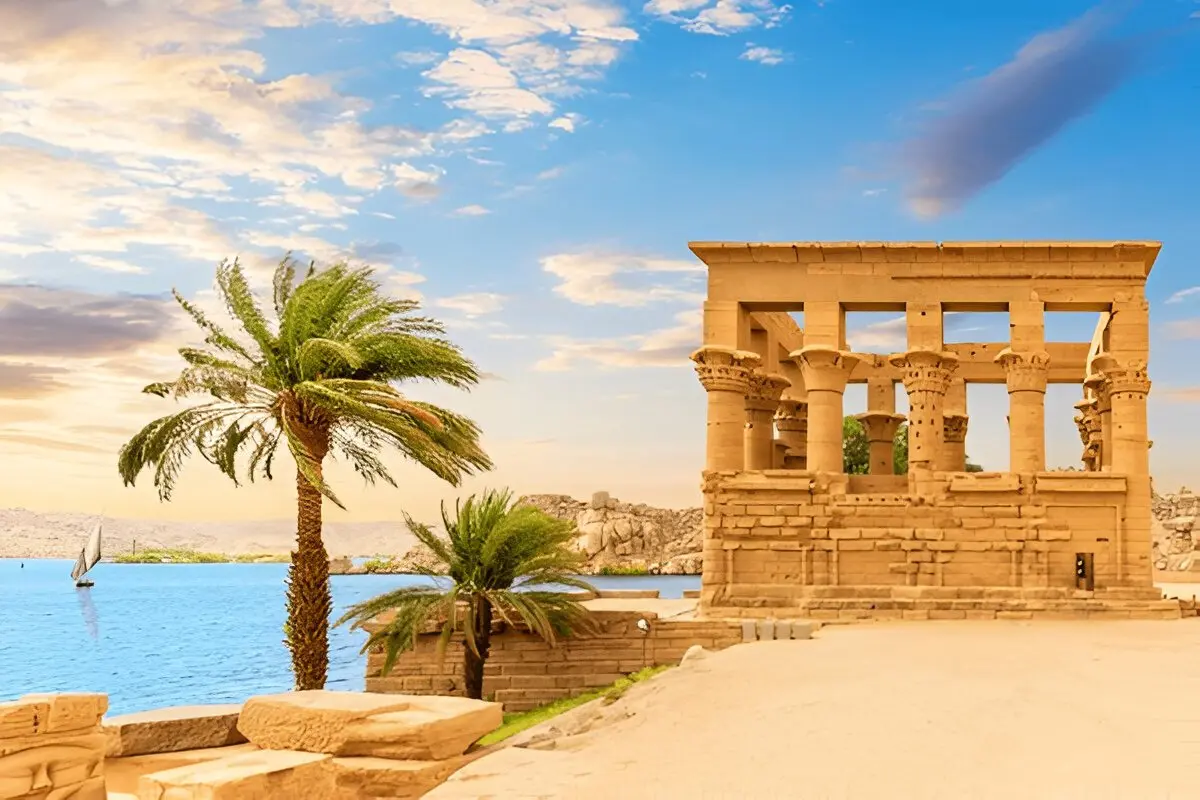
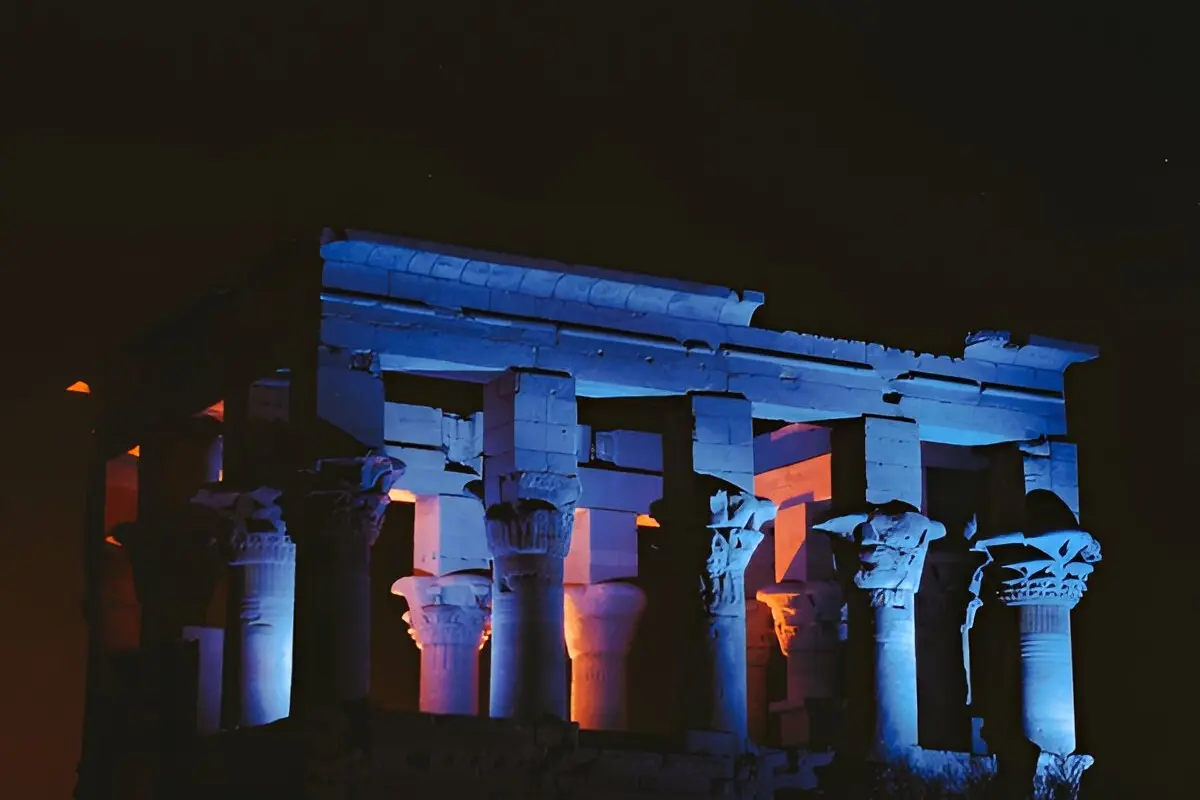
Kiosk of Trajan: A beautifully preserved Roman kiosk near the river, often photographed at sunset.
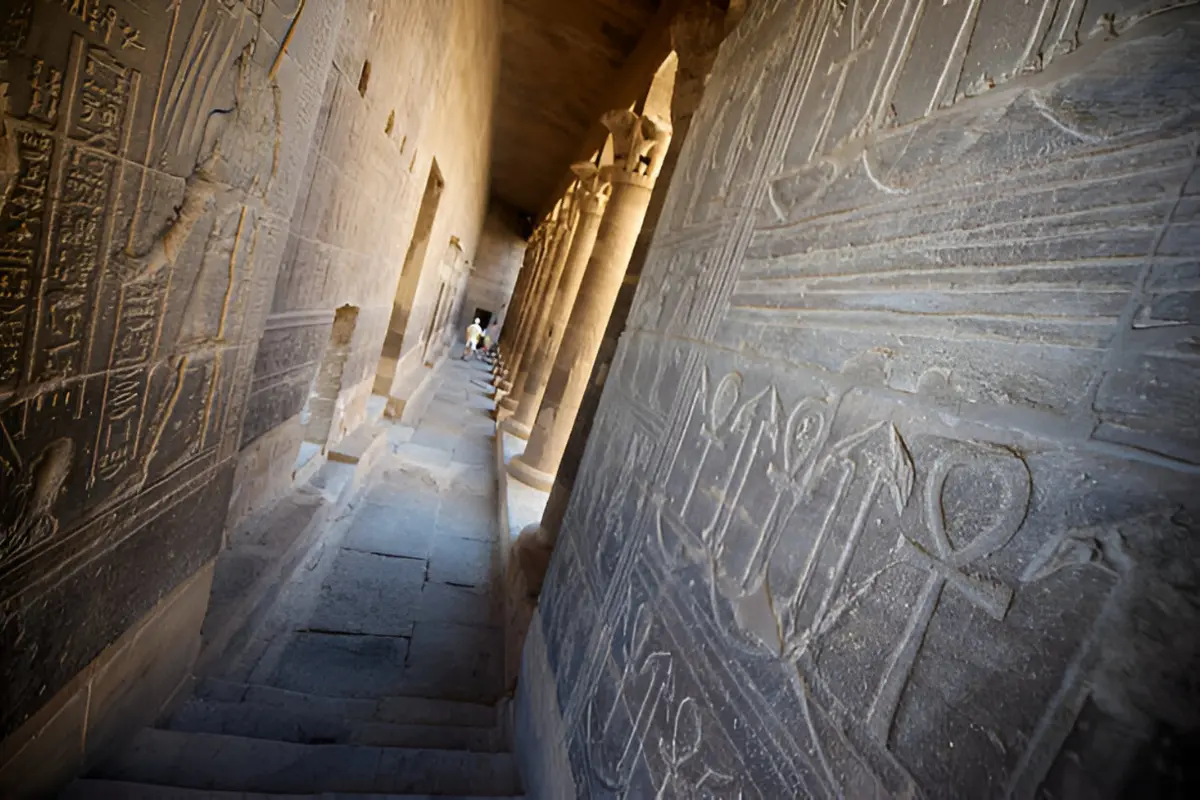
Each step within the complex reveals layers of devotion—from detailed carvings to Coptic crosses etched by early Christians who repurposed the temple as a church.
The Temple’s Rescue: A Global Effort
With the construction of the Aswan High Dam in the 1960s, the original Philae Island was submerged. UNESCO launched an international campaign to save Philae Temple, disassembling it block by block and moving it to the higher ground of Agilkia Island.
This effort wasn’t just engineering—it was a cultural mission that preserved millennia of heritage. Today, visitors walk through an ancient space that feels untouched, yet owes its survival to modern cooperation.
Nighttime Magic: The Sound & Light Show
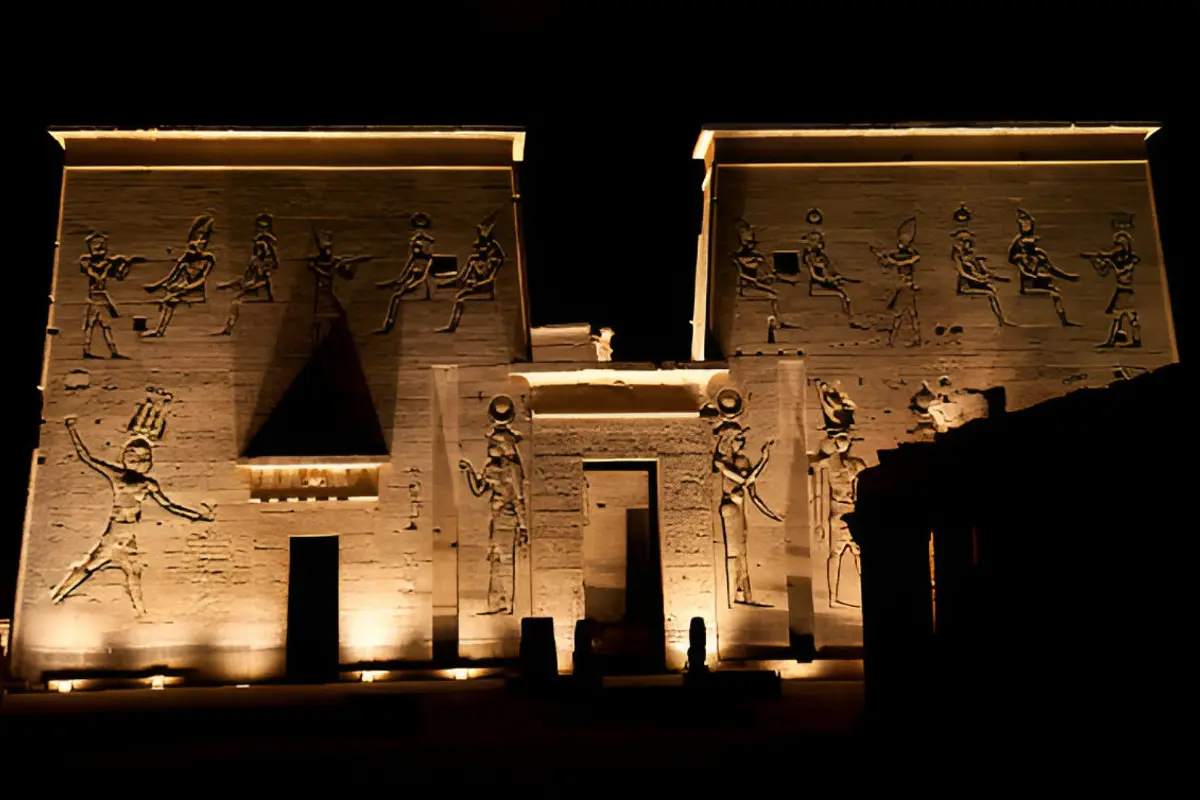
If you want an unforgettable experience, attend the Sound & Light Show at Philae. As night falls, the temple is bathed in lights while a narrated story of Isis and Osiris plays. The echoing voices, dramatic lighting, and ancient columns create an atmosphere that is both magical and deeply moving.
How to Visit Philae Temple
Getting There:
Philae Temple is reached by boat from the Philae Marina in Aswan. The short ride across the Nile sets the tone for the journey into myth and memory.
Best Time to Visit:
October to April offers cooler weather and better lighting for photography. Morning visits are ideal to avoid the crowds.
Opening Hours:
Typically from 7:00 AM to 4:00 PM. Confirm locally as times may vary.
Visiting Philae Temple felt like stepping into a forgotten world. The carvings were so intricate, and the goddess Isis’s energy seemed to radiate from the stones. Our guide explained the fascinating rescue story and how the entire temple was moved stone by stone. Don’t miss the Sound & Light show—it’s pure magic!”
Erina S., From Netherlands
FAQs About Philae Temple
Absolutely. Philae offers a more intimate, serene atmosphere, and its island setting is unique among Egyptian temples.
Allocate around 2–3 hours, including the boat ride and time for photos or guided explanation.
Yes, but hiring a local guide enhances the experience and provides historical insights.
There are some uneven surfaces and steps, but it's manageable with assistance.
Combine your visit to Philae Temple with nearby attractions such as the Unfinished Obelisk, the Aswan High Dam, or enjoy a traditional felucca ride on the Nile. You can also explore nearby temples like the Kalabsha Temple and the Temple of Isis on Agilkia Island for a richer historical experience.
Conclusion: A Journey Beyond Time
Philae Temple is more than an ancient ruin—it is a sacred space that has withstood the trials of history, nature, and modernisation. Whether you’re drawn by the stories of Isis, the incredible engineering rescue, or simply the beauty of the Nile setting, Philae rewards all who visit with a sense of awe and connection.
If you’re planning a cultural adventure through Egypt, make sure Philae is on your list. It’s not just a historical site; it’s a temple where history breathes, and the spirit of ancient Egypt lingers in the breeze.
Ready to Experience Philae Temple?
Plan your cultural journey to Aswan today and explore one of Egypt’s most unforgettable temples.
👉 Browse all Aswan excursions [Insert Link]
👉 Need help planning your Nile cruise? [Insert Link]